The Hardest Change Before Your 2028 Renewal Isn't the Plan. It's How Employees Use It.

Kody King • November 2, 2026

Share this article

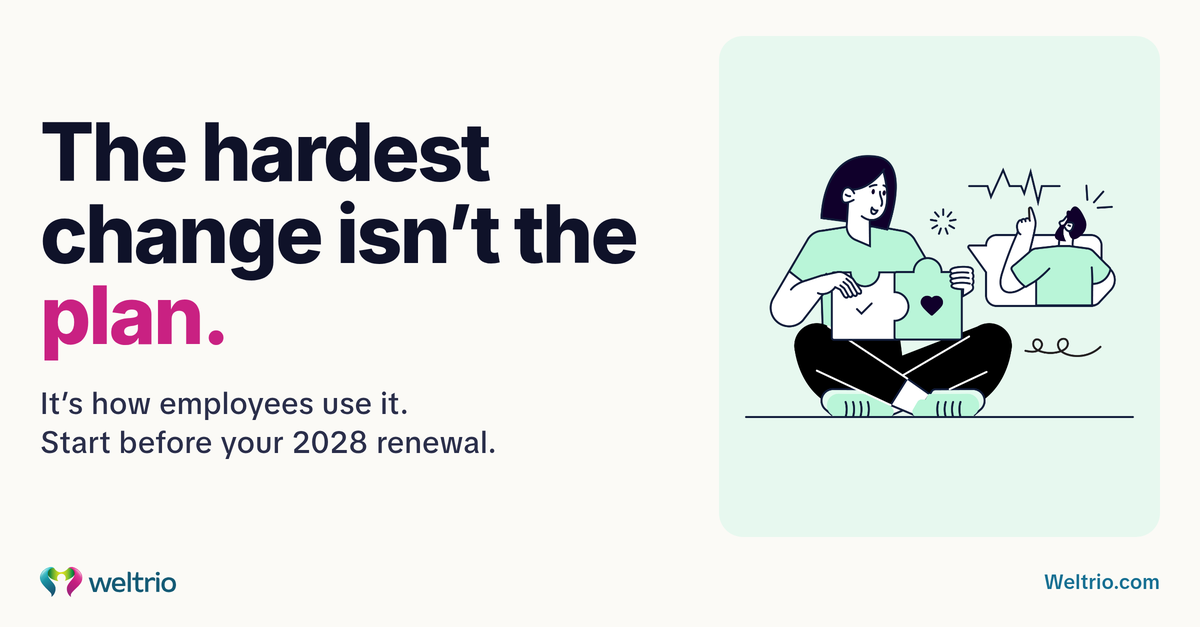
Headline graphic: The hardest change before your 2028 renewal isn't the plan. It's how employees use it.

By Kody King, CXO


Most 2027 renewals are signed, but your 2028 renewal is already being written. Renewals are typically priced on a group's recent claims experience, so the care decisions employees make during 2027 shape what you'll pay in 2028. Plan design only changes at renewal. How employees use the plan can start changing this month.


Open enrollment is finished, your 2027 plan is official, and HR finally has a moment to breathe. So this is a fair time to ask what can still move before 2028. At Weltrio, a health advocacy partner for employers, our answer starts with people, not plan design. The plan is locked until the next renewal, but the everyday choices employees make about care can begin shifting now. Those habits move slowly, so the work has to begin well before the 2028 renewal letter arrives.


Below, we'll explain why 2027 claims matter so much, why employee behavior is the slowest change, how HR can drive it without additional work or benefit cuts, and which steps to take this month.

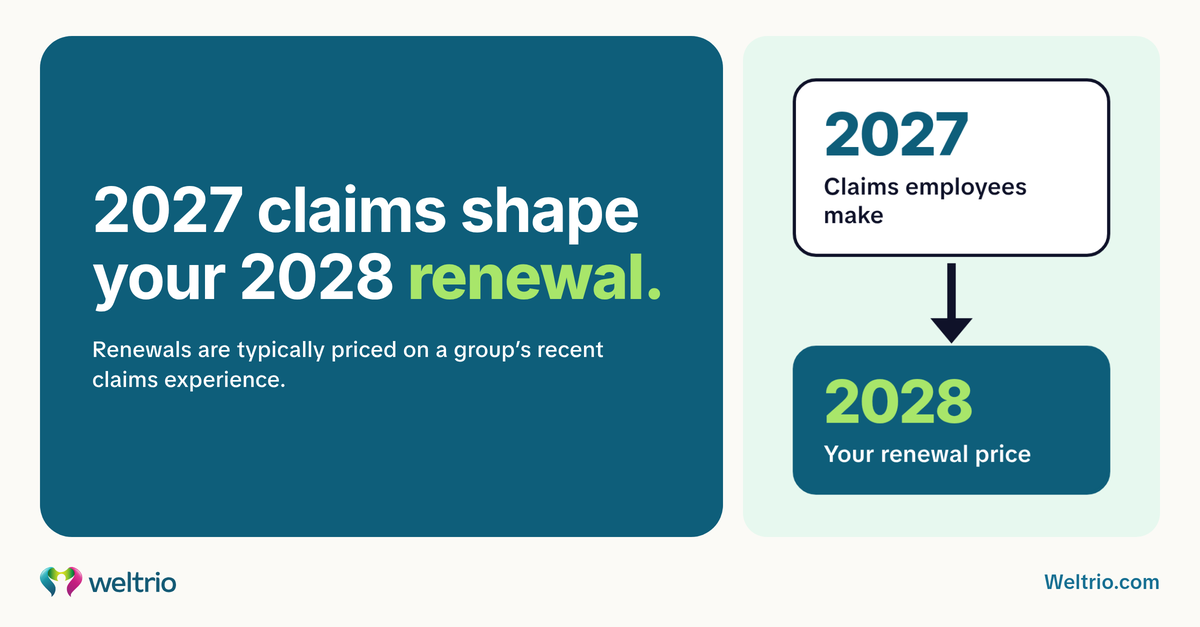
Simple timeline showing 2027 employee claims feeding into the 2028 health plan renewal.

Why do 2027 claims shape your 2028 renewal?

Renewals are typically priced on a group's recent claims experience, so the claims employees make in 2027 shape the 2028 renewal.


This is a general pricing principle, not a rule that applies the same way to every plan. A 2015 paper published by the Society of Actuaries describes how insurers use a group's own claims history to project the coming year's costs and set premium rates. The size of the group and the carrier's method affect how much weight that history receives. Even so, the direction holds: 2027 claims show up in the 2028 price.


So think about what waiting costs. If you hold off until the 2028 renewal letter arrives, a full year of claims is already sitting in the base. At that point, the only options left are the ones that change the plan itself.


The money behind this is serious. According to the preliminary results of Marsh's 2026 National Survey of Employer-Sponsored Health Plans, total health benefit cost per employee is expected to rise 8.2% on average in 2027, the highest increase since 2003, even after planned changes. Without action, employers expect 11%. And the dollars at stake are large. According to KFF's 2026 Employer Health Benefits Survey, the average annual premium for employer family coverage reached $28,303 in 2026, up 5% from 2025.


So how are most employers responding? In the same survey, 59% of employers plan to make changes to lower cost in 2027, like higher deductibles. That familiar fix shifts more of the cost onto employees, and it leaves the everyday decisions that create claims untouched. (We've covered why rate shopping isn't cost containment in more detail.)

Line art: a hand places a dark disc under four stars beside a smiling woman. Text: A plan is one decision. Use is a habit.


Why is changing how employees use healthcare the hardest change?

What is employee healthcare behavior change? Employee healthcare behavior change means helping employees make better care decisions before a claim. That includes getting preventive care on time, choosing the right place for care, and asking questions before a costly test or prescription. No benefit cuts or plan changes are involved. It's built on habits, and habits take time, repeated contact and trust to build.


That's what makes employee healthcare behavior change so slow. Plan design is a decision you make once a year. You can approve a plan change in a single meeting, but changing how people use that plan takes months of consistent effort.

Consider the everyday choices that drive claims. Where does an employee go when their child develops a fever late at night? Do they ask whether a less expensive prescription would work just as well? Do they finally schedule the checkup they've been postponing? Those decisions happen at home, often under pressure, and usually without anyone knowledgeable to call.


People rarely change those habits because of a flyer or a single email from HR. They change when someone they trust is available before the moment of decision, and stays available afterward. That kind of relationship takes time to build, and it can't begin the week a renewal shows up. Habit research points the same way. In one small 2010 study of habit formation, new daily eating, drinking or activity habits took anywhere from 18 to 254 days to become automatic. That study wasn't about healthcare, but the lesson carries over: habits don't follow a renewal calendar.


There's also a practical obstacle: HR is exhausted. Your team just managed open enrollment and answered the same plan questions dozens of times. Asking employees to make different healthcare decisions can feel like another demanding project on an already full calendar.


That's why it can't wait. If behavior change starts late in 2027, most of the claims year that influences the 2028 renewal has already passed.

Weltrio coach and nurse team reaching out to an employee first.


How can HR change employee behavior without more work or benefit cuts?

Give every employee a 24/7 assigned, board-certified health coach and nurse team that reaches out first. The team does the outreach, so HR doesn't carry the work.


That's the heart of Weltrio's approach to employee benefits engagement. Weltrio, founded in 2014, works alongside your broker and HR. We call it pre-claim engagement: reaching employees before a claim exists, not after the bill arrives. Learn more about how Health Advocates build the relationships that change behavior.


Here's how the approach operates in practice:


  • The team makes the first move. Coaches and nurses contact employees directly instead of waiting for a phone call. Weltrio has a 90% proactive engagement rate.
  • Employees always have someone to ask. When a health question comes up in the evening or over a weekend, they can reach their own coach and nurse team.
  • The app supports the people. The Weltrio app helps employees and family members connect and engage with their coach and nurse.
  • Nothing changes for employees. Same plan, same doctors, same benefits, with no benefit cuts and no limits on where employees get care.


That personal connection is why employees need a human, not another app.


For HR, the arrangement is refreshingly straightforward. We do the work, and you get the credit. The clinical team handles the outreach and the follow-up, so HR sees better results without managing another program.

Line art: a man holds a four-star review card. Text: Start now, before 2028 renewals. Weltrio helps you achieve 15–23% lower healthcare costs. Plus, you don't need to change plans or brokers.


What should HR do this month to start changing the 2028 renewal?

Start now, with the broker you already have and trust. You don't need to change brokers. Weltrio works alongside your current broker to help the plan you already offer perform better for your employees and your budget.


Here's a practical four-step plan for the coming weeks:


  1. Schedule a free assessment. Identify where pre-claim gaps are currently driving unnecessary spending in your plan.
  2. Coordinate with your broker. Explain that you want pre-claim engagement running well before the 2028 renewal, not only a negotiation over price.
  3. Begin outreach early in 2027. Let the coach and nurse team start contacting employees early in the plan year, so new habits have enough time to develop.
  4. Bring pre-claim data to the 2028 renewal. Weltrio's pre-claim data gives you and your broker a clearer picture of what changed during 2027 and why.


Visibility is a common problem for employers. In KFF's 2026 survey, only 55% of firms with 200 or more workers that offer health benefits agreed or strongly agreed they can get enough information to understand where enrollees may have unmet needs or gaps in care.


For your CFO, present this as a financial investment rather than an additional expense. Weltrio works alongside employers and brokers to lower healthcare costs 15–23%, net of fee, with no plan changes and no benefit cuts. Remember the simple math behind prevention: a dollar not spent is 100% of a dollar saved. It also helps to read your renewal like a CFO.


Your 2028 renewal is typically priced largely on what happens in 2027. The plan is already set, but how employees use it is still something your organization can influence.

Get ahead of your 2028 renewal

Your 2027 plan is locked, but your 2028 renewal isn't. Identify where employee decisions are driving your healthcare costs, and how a 24/7 coach and nurse team can start changing them in 2027, with no benefit cuts and the broker you already trust.


Schedule your free assessment or call our team at 385-526-7557.

Frequently asked questions

  • Do 2027 claims affect our 2028 renewal?

    Typically, yes. Renewals are usually priced on a group's recent claims experience, so the claims employees make in 2027 shape the 2028 renewal. If you wait for the renewal letter, a full year of claims is already in the base.

  • Why is employee behavior harder to change than the plan?

    A plan change is a single decision, made once a year at renewal. Behavior is a habit, and changing how people use healthcare requires time, repeated contact and trust. That's why the effort has to start long before the renewal is calculated.

  • How can HR change how employees use healthcare without more work?

    Give employees someone who reaches out first. Weltrio gives every employee a 24/7 assigned, board-certified health coach and nurse team. The team does the outreach, so HR doesn't carry the extra work, and Weltrio has a 90% proactive engagement rate.

  • Do we need to change our plan or broker?

    No. You don't need to change brokers. Nothing changes for employees: same plan, same doctors, same benefits. Weltrio works alongside your broker and HR team and brings pre-claim data to the 2028 renewal conversation.

  • When should we start if we want to affect the 2028 renewal?

    Now. Renewals are typically priced on recent claims experience. So the earlier new habits begin, the more of the 2027 plan year they can influence before your 2028 renewal is priced.

  • What results do employers see?

    Weltrio works alongside employers and brokers to lower healthcare costs 15–23%, net of fee, with no plan changes and no benefit cuts. Your free assessment identifies where your plan's pre-claim gaps are and what they're costing you.

Sources

About the author

Kody King is CXO at Weltrio.


Recent Posts

Headline graphic: What belongs in your 2027 renewal quote? A care team for every employee.
By Rhonda Nerenberg • October 26, 2026
What belongs in your 2027 renewal quote? A health coach and nurse team for every employee. Here's what to ask your broker before you sign.
Rate shopping isn't cost containment. Put containment in the re-quote.
By Jacob Davis • October 19, 2026
Rate shopping won't fix a high renewal. See why healthcare cost containment belongs in the re-quote, and what to ask your broker before you sign.
Your Renewal Is a Budget Decision. Read It Like a CFO. Weltrio hero graphic.
By Kody King • October 13, 2026
Mercer's 2026 survey: a third of CFOs now rank health benefit cost as a top-3 concern. Read your health insurance renewal like a CFO before you sign.
A renewal quote with Weltrio added before the re-quote.
By Rhonda Nerenberg • October 5, 2026
2027 health insurance renewal came in high? Cancer is employers' top cost driver. See what to add to the re-quote. You don't need to change brokers.
Your employees need a human, not another app. Weltrio coach and nurse illustration beside a teal panel.
By Jacob Davis • September 28, 2026
Most employees don't understand their benefits, and apps alone don't fix it. See how a 24/7 coach and nurse team closes the gap before a claim.
By Jacob Davis • August 25, 2026
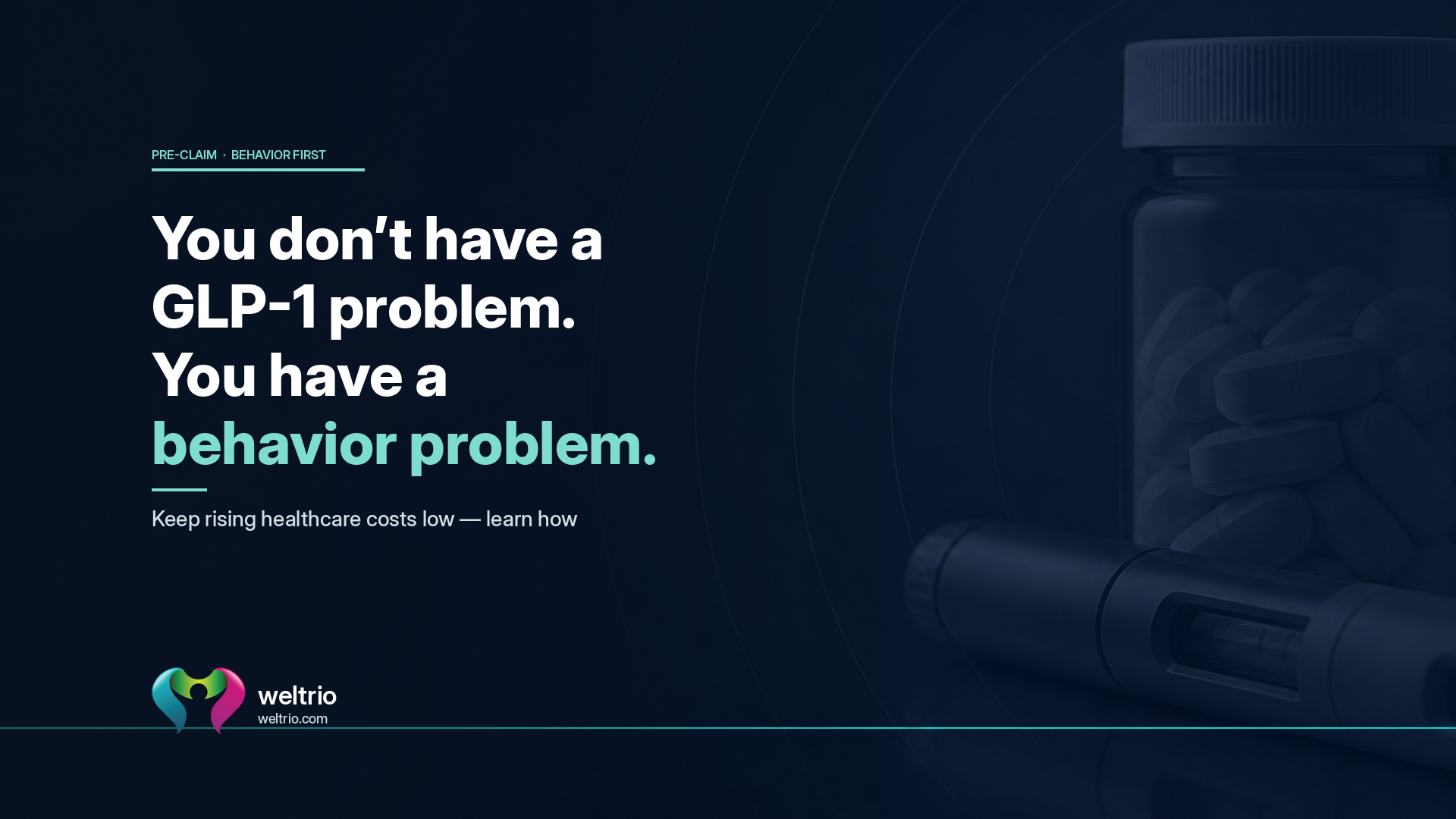
You don't have a GLP-1 problem. You have a behavior problem. Fix those habits now to get people off the drug, skip carve-outs, and cut year-end renewal hikes.
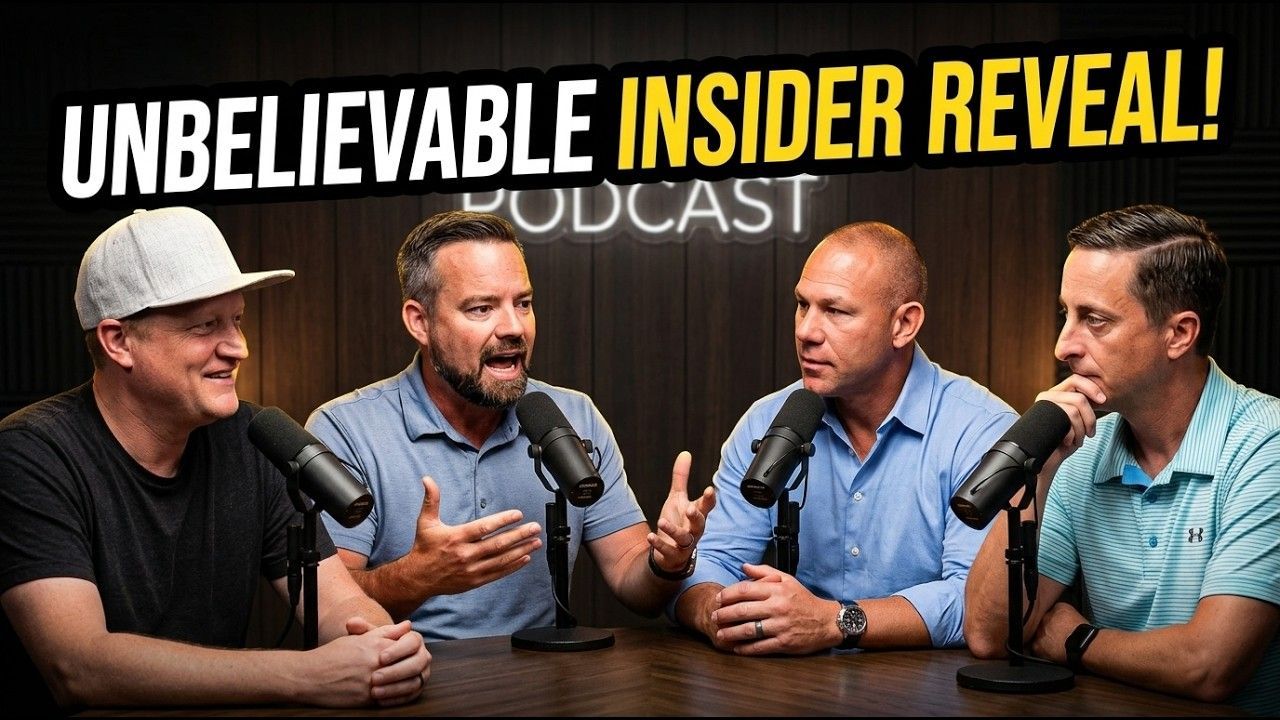
Behind the Premium roundtable on vetting insurance carriers and benefits vendors
By Kody King • July 23, 2026
Renting a health plan means paying for coverage you cannot see into. Here is why employers should manage the plan to win back the data, transparency, and control.
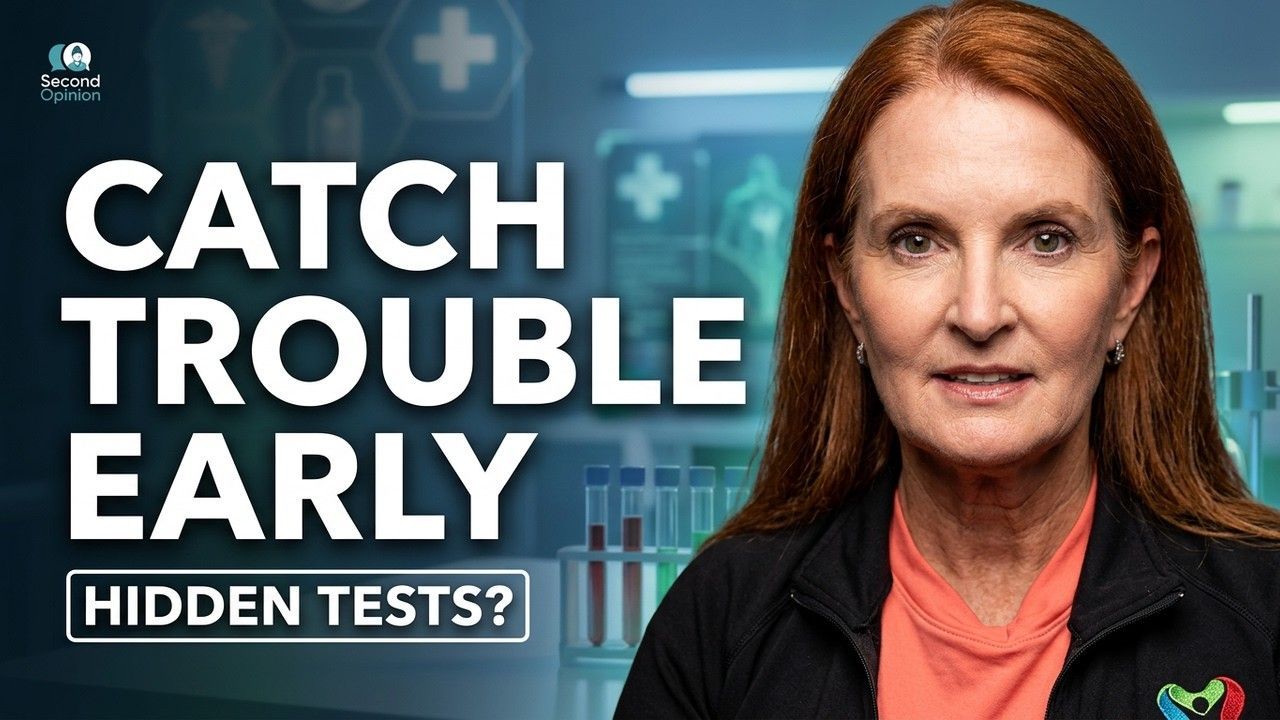
Rhonda Nerenberg on metabolic health and what normal labs miss, Weltrio
By Rhonda Nerenberg • June 29, 2026
A nurse's take on metabolic health: why "normal" labs miss the real story, why fat is a symptom, and the tests to ask for. From Weltrio's Rhonda Nerenberg.
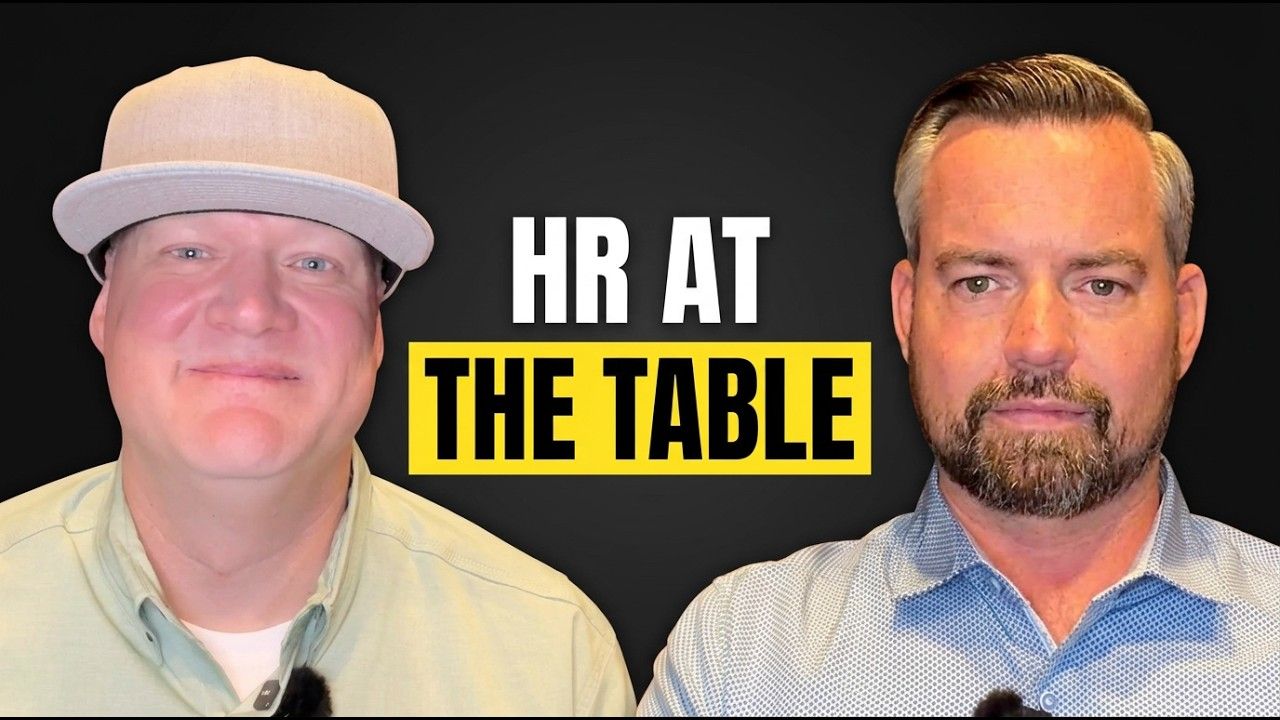
Jacob Davis on how HR earns a seat at the table, Benefits 3.0
By Jacob Davis • June 28, 2026
Weltrio CEO Jacob Davis on how HR earns a seat at the table by treating the benefits plan as a strategic lever, plus the broker and CFO questions to ask.
Steve Smith, Rhonda Nerenberg, Jacob Davis  in call tiles with text: “REDUCE ABSENTEEISM NOW
By Kody King • June 25, 2026
Weltrio's Kody King on why customized benefit plans could cut absenteeism better than a bigger paycheck, and how pre-claim data makes the business case.
Show More