
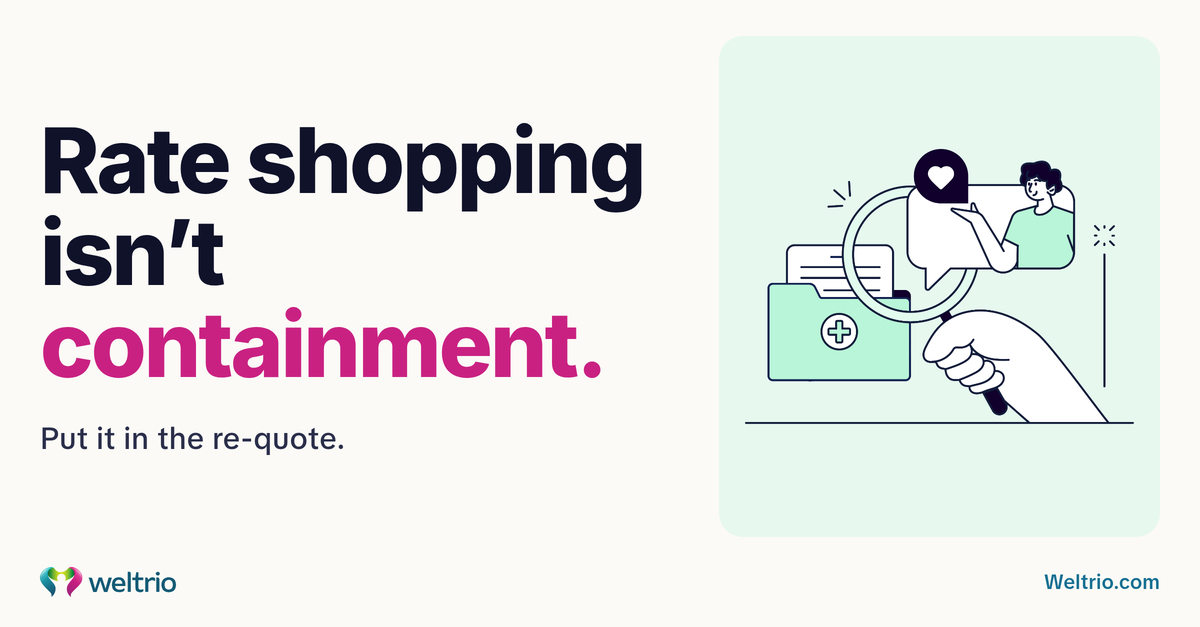
Rate shopping won't fix a high renewal. See why healthcare cost containment belongs in the re-quote, and what to ask your broker before you sign.

Mercer's 2026 survey: a third of CFOs now rank health benefit cost as a top-3 concern. Read your health insurance renewal like a CFO before you sign.

2027 health insurance renewal came in high? Cancer is employers' top cost driver. See what to add to the re-quote. You don't need to change brokers.
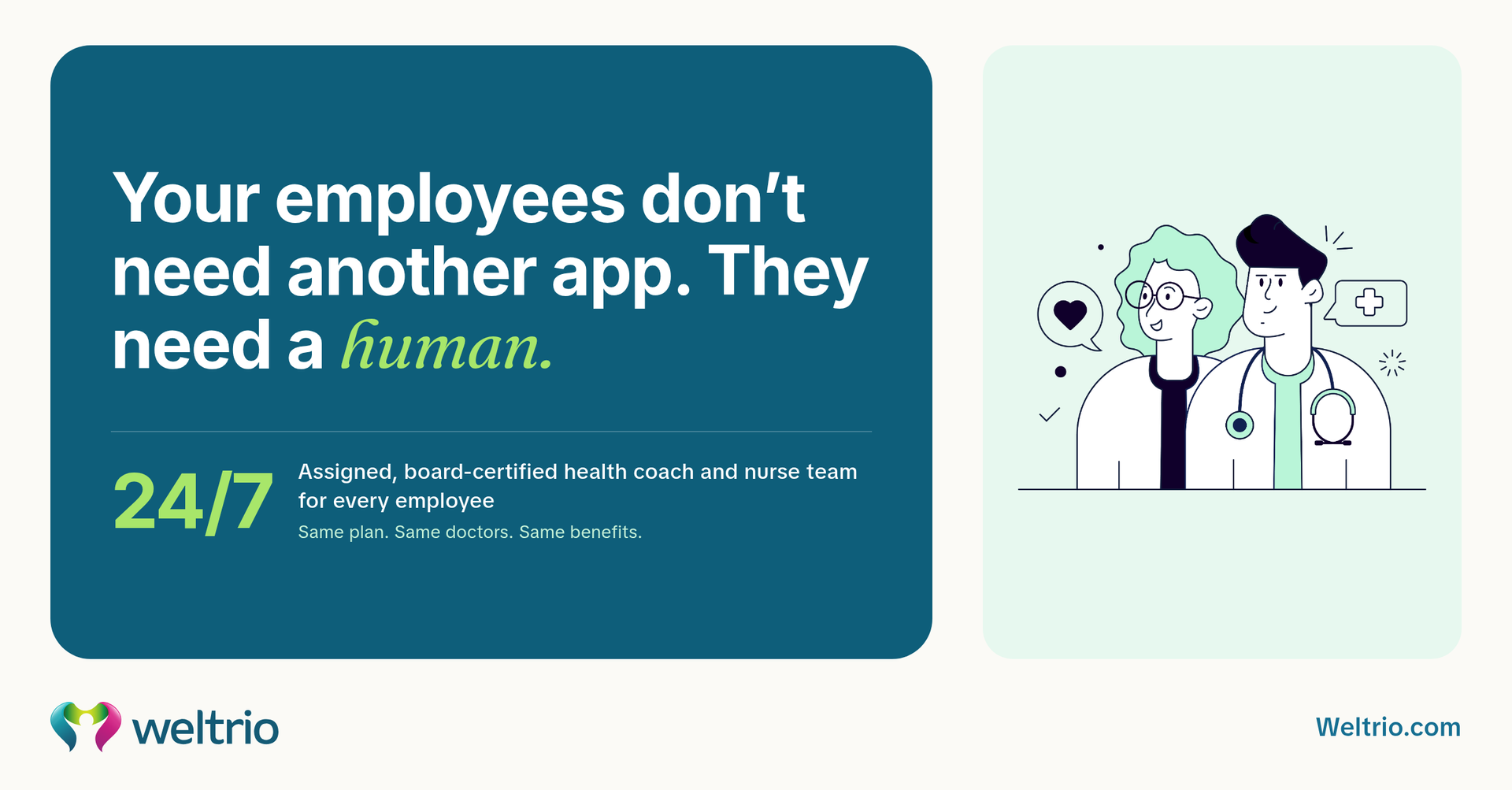
Most employees don't understand their benefits, and apps alone don't fix it. See how a 24/7 coach and nurse team closes the gap before a claim.

You don't have a GLP-1 problem. You have a behavior problem. Fix those habits now to get people off the drug, skip carve-outs, and cut year-end renewal hikes.
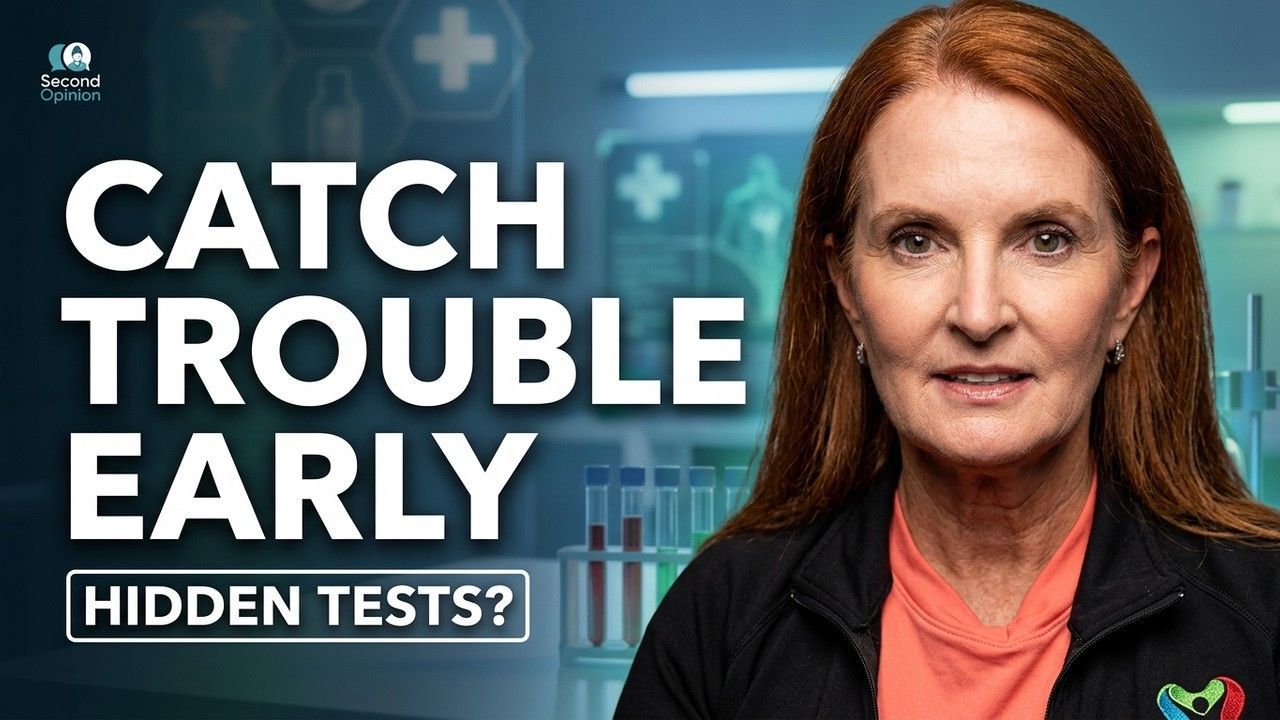
A nurse's take on metabolic health: why "normal" labs miss the real story, why fat is a symptom, and the tests to ask for. From Weltrio's Rhonda Nerenberg.
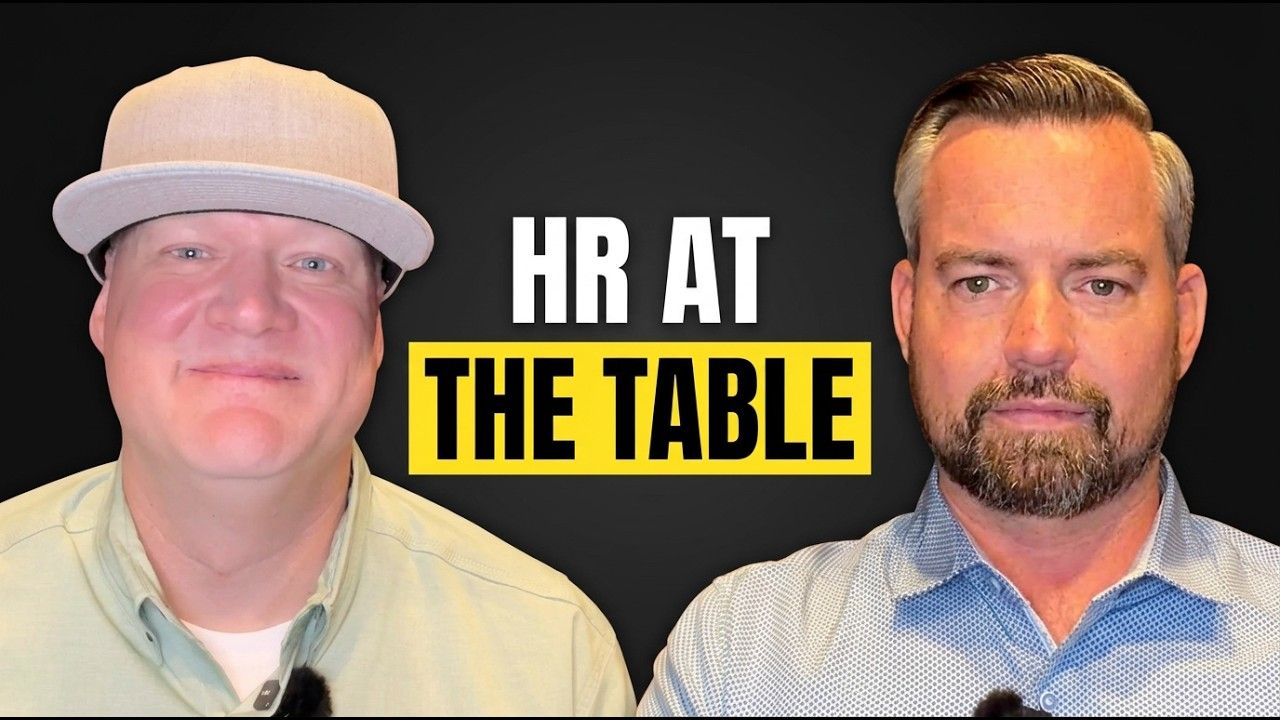
Weltrio CEO Jacob Davis on how HR earns a seat at the table by treating the benefits plan as a strategic lever, plus the broker and CFO questions to ask.
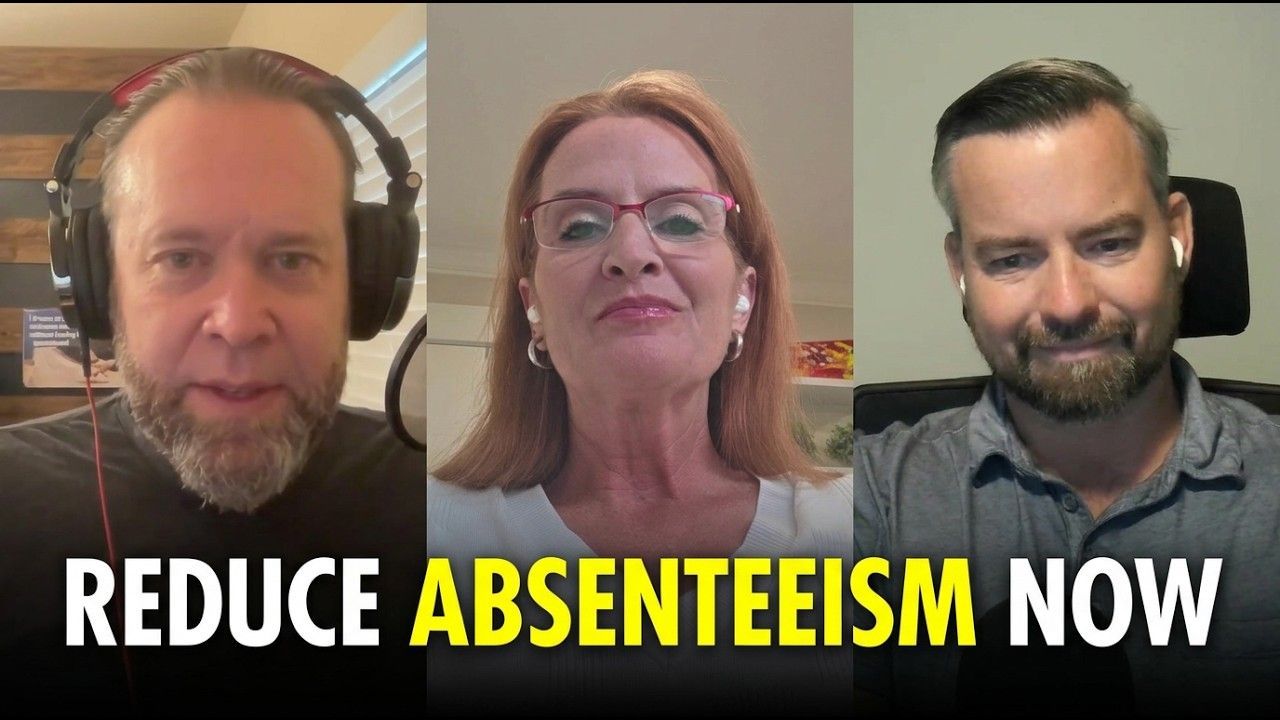
Weltrio's Kody King on why customized benefit plans could cut absenteeism better than a bigger paycheck, and how pre-claim data makes the business case.
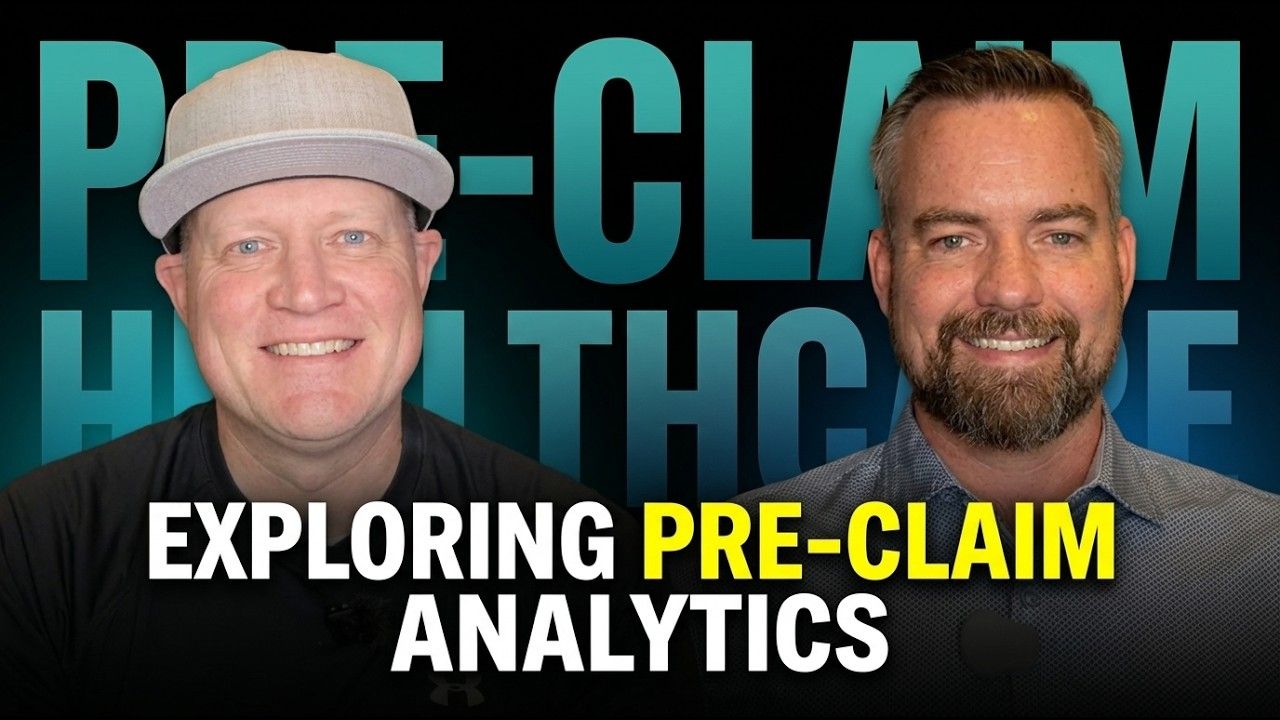
Healthcare has never had more data - so why do costs keep rising? Weltrio's Jacob Davis on why engagement, not analytics or AI, is the real lever.

Stop healthcare waste before it becomes a claim. Every employee gets an assigned, board-certified health coach and nurse team, 24/7. The result: 90% proactive engagement.