
Your "Normal" Labs Are Hiding the Truth About Your Metabolic Health
After decades as a nurse, here is the word I have learned to distrust most: "normal." Your bloodwork comes back fine, a nurse leaves you a voicemail, and you go on feeling tired, foggy, and heavier than you want to be. I read those same labs and I see a very different story.
You are not broken, and you are not imagining it. Metabolic health, meaning how well your body turns food into energy, slips for years before a single lab result ever flags it. I have watched it happen to good people who did everything their doctor told them to do. The encouraging truth is that in the vast majority of cases you can rebuild your metabolic health, and you do not need a punishing diet to get there. You need to read the right signals and change the few things that genuinely move the needle.
So here is what I want you to rethink. Why one "normal" result means almost nothing on its own. Why your body fat is a symptom and not the villain. And why the bathroom scale belongs in the trash. Let me start with the lab problem, because it is the one that quietly costs people years.
Why I do not trust a single "normal" lab
Most physicians read one result against a reference range and tell you it lands inside normal. I read the direction it is moving. When I track a person's markers across several years, I can see chronic disease forming ten or twenty years before a one-time reading would ever catch it. I can see it coming a mile away, but only because I am watching the trend instead of the snapshot.
Consider a common liver enzyme. A generation ago, the cutoff treated as normal sat around twenty. Today that same "normal" has crept up toward forty. That shift did not happen because forty became healthy. It happened because our collective health deteriorated, and the reference range quietly moved to follow it. So when your result lands inside the range, ask a sharper question: normal compared to whom, and moving in which direction?
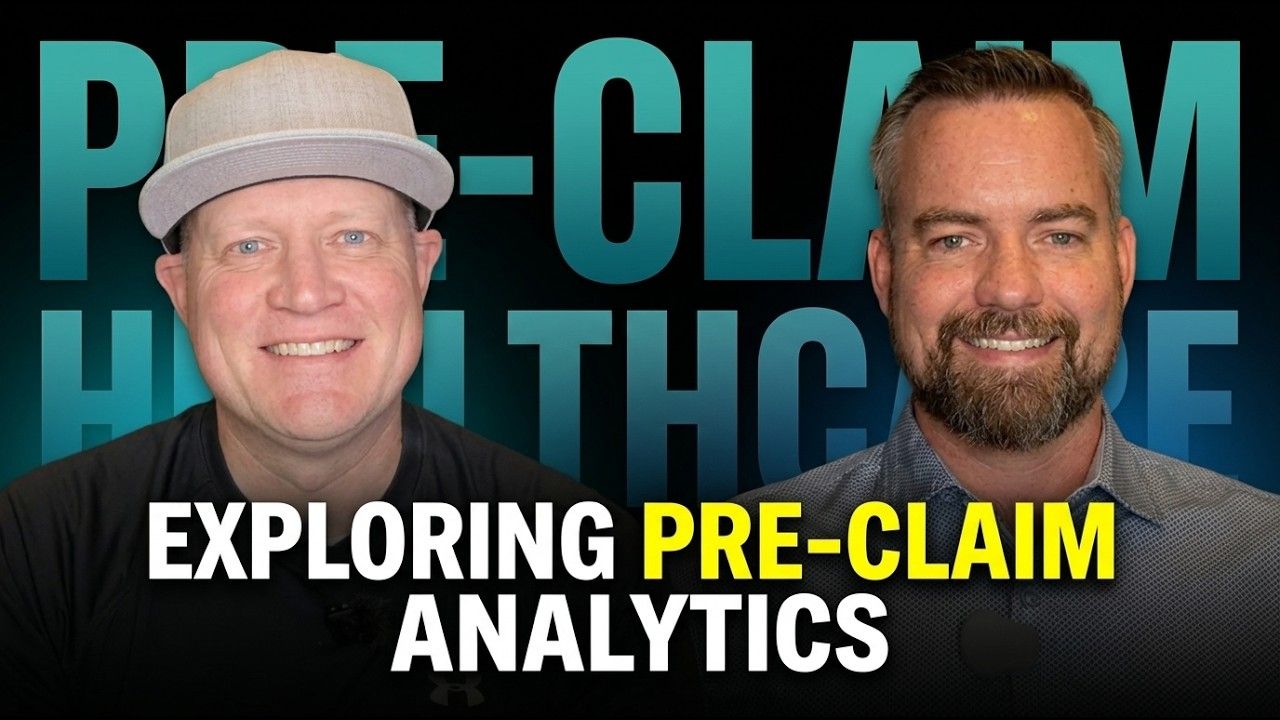
This is the same early-warning idea I talked through with Kody on Behind the Premium. You can watch the full conversation here, or read the recap on the Behind the Premium blog.
Fat is a symptom, not the problem
We have been trained to treat body fat as the enemy and attack it directly. I want to flip that thinking completely. Fat storage is a symptom, and the real drivers underneath it are excess sugar and chronically high insulin. Go after the fat without addressing the cause and you are treating smoke while the fire keeps burning.
Here is the part that surprises people. Body shape is just a shape. You can carry extra weight and still be metabolically healthy, and you can be thin and quietly sick on the inside. So the number on the scale is not the goal. How efficiently your body handles fuel is the goal, and those are not the same measurement.
Throw away the scale
I mean that literally. The bathroom scale measures one isolated symptom, and it reveals almost nothing about the underlying cause of how you actually feel. I would rather you measure your energy, your sleep, your strength, and how clearly you think at three in the afternoon. Those signals tell me far more about your metabolic health than a weight ever will.
The tests I actually want you to ask for
My honest answer is that the right panel depends on you, which is exactly why a personal relationship beats a generic checklist. Still, when metabolic health is the concern, these are the markers I ask about: fasting insulin, a complete blood count, a comprehensive metabolic panel, lipid panel, vitamin D, homocysteine, HbA1c, Omega 3 index, thyroid panel (if symptomatic), and ferritin to understand iron saturation.
Do one deliberate thing before your next blood draw. Write down the symptoms you are actually feeling and carry that list into the appointment. A doctor is trained to find a disease to treat, and that is valuable work. I am trained to look at the whole person and the direction everything is trending, and that is where prevention lives.
Why a human coach beats an app, and why we built Weltrio this way
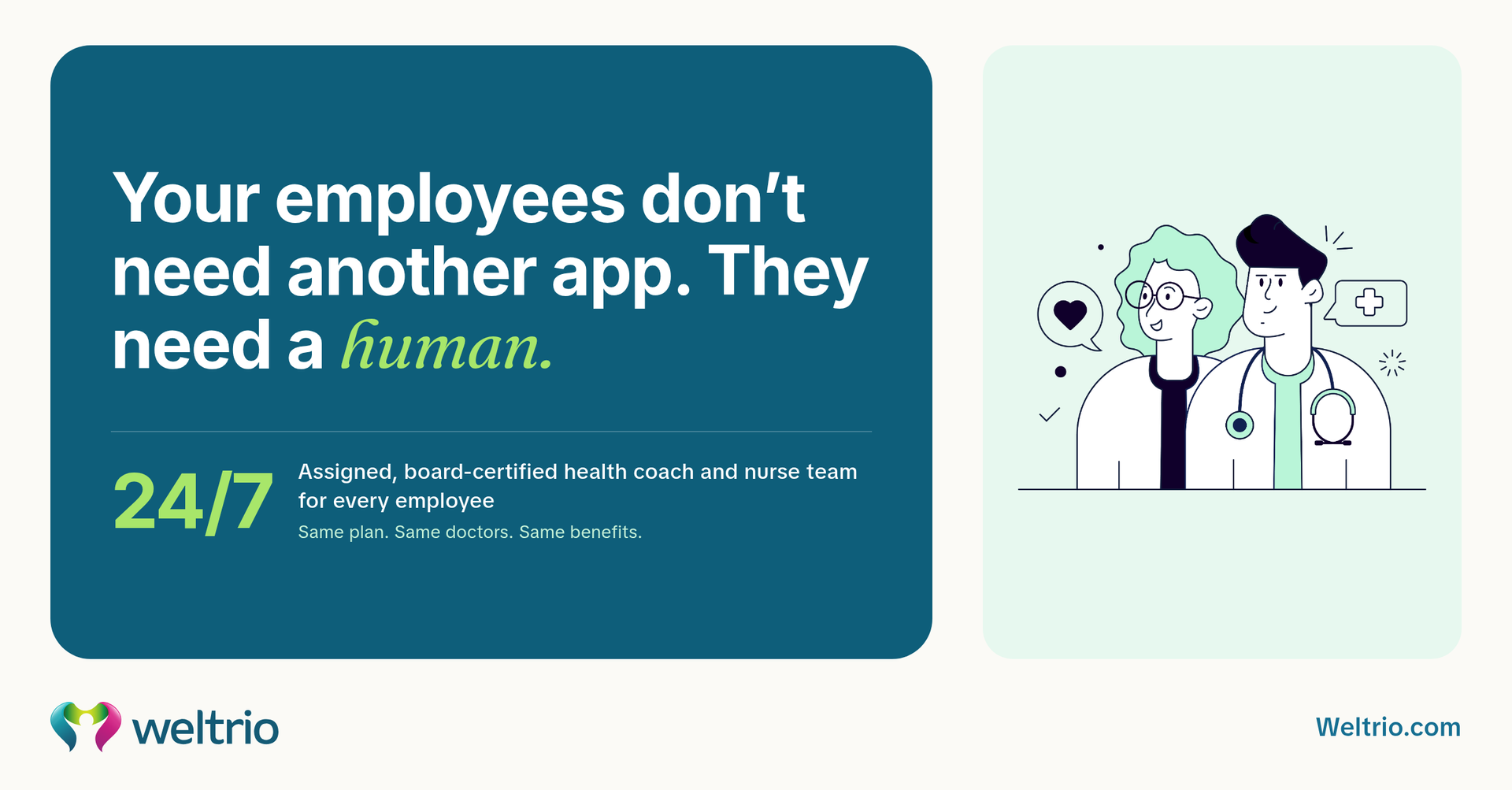
People keep asking whether artificial intelligence can replace a dedicated health coach. It cannot, and I say that as someone who genuinely respects the technology. An application simply follows the predetermined rules it was programmed with. It cannot read the hesitation in someone's voice, sense the shame they walked in carrying, or know when to push and when to simply listen. Human intuition and empathy are the parts that change behavior, and that is the part no algorithm can fake.
That belief is the foundation of Weltrio. We assign a dedicated nurse and coach to every employee, the same trusted team every time, because trust is where real change actually begins. Over time people tell us things they would never tell HR, and that early access lets us close the gaps where money leaks and risk grows, often before a problem ever becomes a claim. One employee trusted their coach so deeply that they listed that coach as their emergency contact. You can read more about our team and approach on our About page.
For employers, this is the quiet difference between paying for benefits and actually changing health outcomes. Plan optimization and care logistics matter, but without trusted relationships the other two will always leave gaps. That is the model we stand behind, and it is the heart of our health advocacy work.
Frequently asked questions
Can you really reverse metabolic problems?
In the large majority of cases, yes, especially when you catch them early. Real food, movement, better sleep, and lower stress can improve and often reverse early metabolic dysfunction. Always discuss your own situation with your healthcare provider.
What tests show metabolic health?
Ask about fasting insulin, a complete blood count, a comprehensive metabolic panel, fasting insulin, a complete blood count, a comprehensive metabolic panel, lipid panel, vitamin D, homocysteine, HbA1c, Omega 3 index, thyroid panel (if symptomatic), and ferritin. Then watch the trend across years instead of reading any single result alone.
Do I need a strict diet?
No. Food is a tool, not the enemy. Real, minimally processed food, honest moderation, and habits you can actually keep will beat any extreme diet over time.
Should employers care about metabolic health?
Absolutely. Metabolic disease is where long-term cost and risk quietly build inside a health plan. Catching it early through real relationships protects both your people and your budget.
Start where you are
You do not need to overhaul your entire life this week. Instead, choose one meaningful signal and act on it deliberately. Drink more water, and stop drinking your calories. Walk a little further than yesterday. Write down your symptoms before your next appointment. Small, consistent choices, made with the right information, are what reset a metabolic trajectory for good.
If you lead an HR team or run a company, this is exactly what we do every day. Talk with Weltrio about bringing dedicated coaching to your people, and watch healthcare stop being a number you dread and start being one you understand.
Rhonda Nerenberg is the Founder and Chief Health Innovation Officer of Weltrio.
Disclaimer: This article is provided for general educational and informational purposes only and is not medical, health, or nutritional advice, diagnosis, or treatment. It may not apply to your individual circumstances. Always consult a qualified physician or licensed healthcare provider about your health, symptoms, medications, diet, or treatment, and never disregard or delay professional medical advice because of something you read here.