
What Belongs in Your 2027 Renewal Quote? A Care Team for Every Employee.
By Rhonda Nerenberg, RN, BSN, MS, Founder and Chief Health Innovation Officer
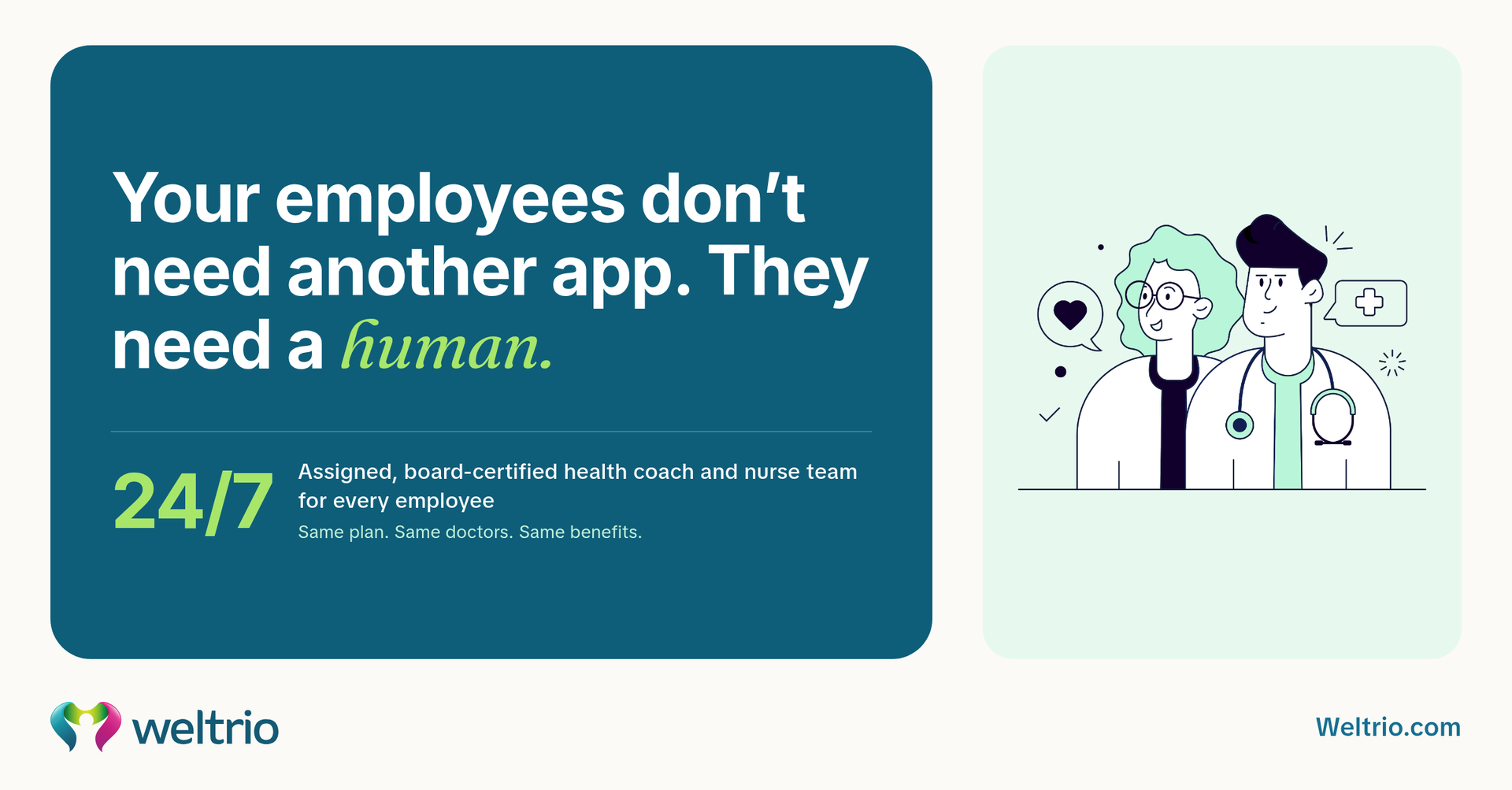
Did your 2027 healthcare renewal come in high, and is your broker getting ready to shop your plan or request a re-quote? Most of that work compares premium rates, deductibles and employee contribution splits. But a re-quote can carry more than a new price. It can also include a clinical team that helps every employee make better healthcare decisions. A care team for every employee means each person gets a 24/7 assigned, board-certified health coach and nurse team that reaches out first and helps with care decisions before a claim. If your renewal came in high, ask your broker to include Weltrio, a health advocacy partner for employers, in the re-quote. You don't need to change brokers.
The timing matters this year. In Marsh's preliminary 2026 survey, total health benefit cost per employee is expected to rise 8.2% on average in 2027, the highest increase since 2003, even after planned cost-reduction measures. Without action, employers expect 11%.
Below, we'll cover why a high renewal needs more than a new rate, who's on the care team, how that team contains cost before a claim exists, and when to raise it with your broker.

Why Does a High Renewal Need More Than a New Rate?
A new rate changes the price of coverage, but it doesn't change how employees use their care. That's where spending begins, one individual decision at a time.
Here's how I put it: "By the time a claim shows up, the money is already spent and nobody can explain what bought what. We work upstream of that."
In our last article, we explained why rate shopping isn't the same as cost containment. This article covers what to add to the re-quote instead of another rate comparison.
Employers are already looking past price. The Business Group on Health's 2027 survey found that 60% of employers are raising the priority of prevention and primary care, and 52% are adding programs to address areas of high cost.
Those numbers point in a consistent direction. Employers want practical support that changes how employees actually use their healthcare benefits.
Picture an ordinary week at your organization. An employee wakes up at midnight with a high fever, and a nurse helps them decide where to go. Another gets a new prescription, and a coach checks for a lower-cost option before it's filled. Those decisions happen before a claim exists, and a rate quote can't influence them.

Who Is on the Care Team Every Employee Gets?
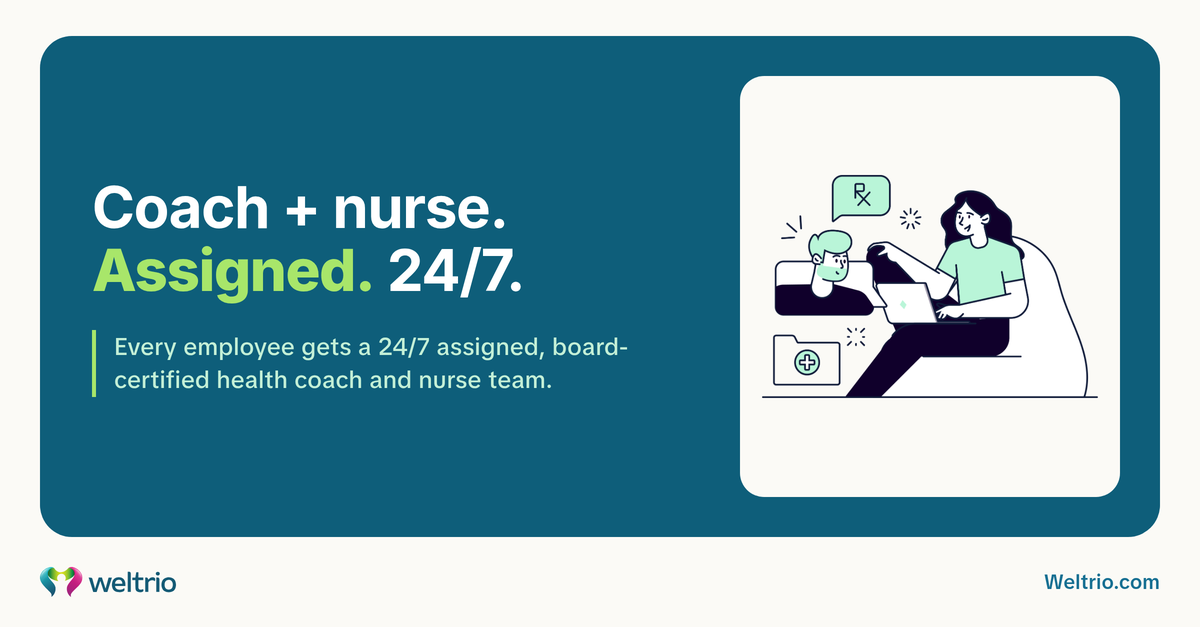
Every employee gets a 24/7 assigned, board-certified health coach and nurse team. Assigned means the same team works with that employee, so they know who to contact when a health question comes up.
What Does the Care Team Help With?
Here's what the team helps with:
- Choosing the right place for care. Nurse triage, available 24/7, assesses symptoms in real time and points employees to the right setting.
- Paying less for prescriptions. The team reviews new prescriptions for generics, substitutes and manufacturer programs.
- Booking care wisely. One point of contact helps route employees to lower-cost, high-quality imaging centers, independent labs and surgery centers before care is booked.
- Catching problems early. Proactive outreach helps employees complete preventive care, and the team coordinates early care for members whose risk is rising.
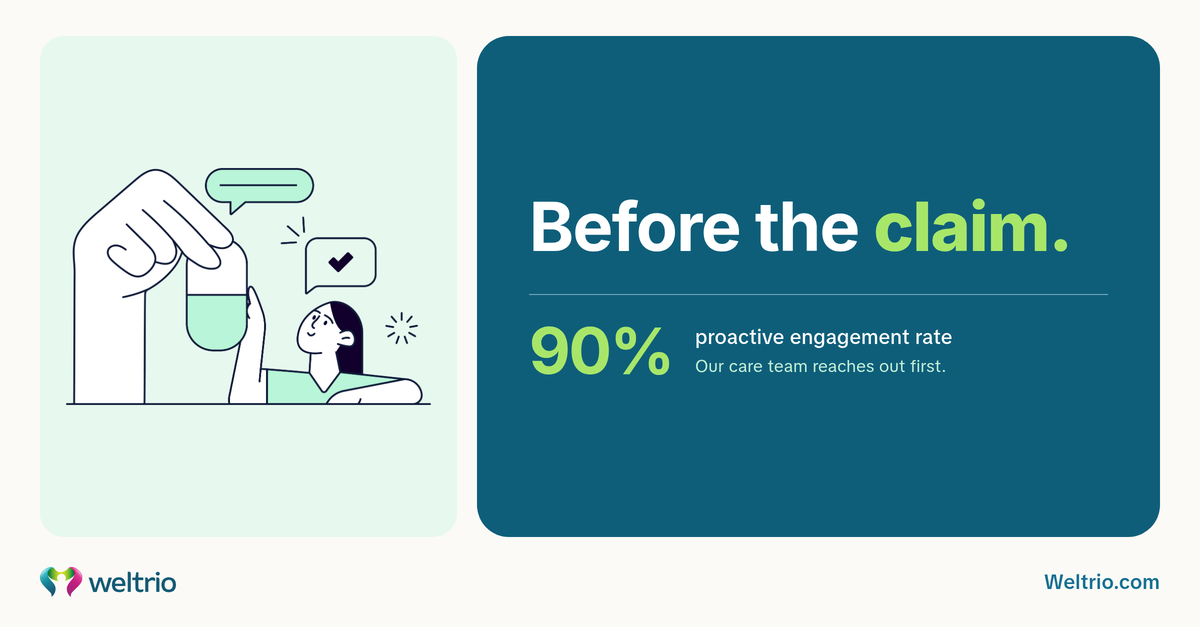
The team doesn't wait for employees to call. Team members reach out first, and that's how Weltrio maintains a 90% proactive engagement rate. Employees don't need to know the right question to ask before they get help.

How Does a Care Team Contain Cost Before a Claim Exists?
A care team contains cost by guiding individual decisions before they become claims. Once a claim is filed, the money is already spent. Before that moment, there's still a choice.
That's why we say, "A dollar not spent is 100% of a dollar saved."
Every employer health plan depends on three pillars, in this order. Pillar 1: Plan Optimization is your broker's pillar. Pillar 2: Care Logistics belongs to TPAs and PBMs, and it works after the claim. Pillar 3: Health Advocates is Weltrio. Pillars 1 + 2 without Pillar 3 = Gaps = Waste + Cost + Risk.
The care team works inside those gaps. We focus on five of them: ER Visits, Rx Overpayment, Care Navigation, Late Diagnosis and Care Logistics. The Care Logistics gap isn't the same as the Care Logistics pillar. It's one of the five areas where our team finds avoidable spending.
Employers are moving in this direction as well. In Marsh's 2026 survey, when employers were asked to identify their top priorities for managing health programs over the next few years, guiding members to higher-quality care was in the top three, "with 58% of large employers indicating that this strategy would be important or very important" (Marsh, 2026). In the previous year's survey, it ranked fifth.
A clinical care team is how that guidance reaches each individual employee, one conversation at a time.

When Should You Ask Your Broker to Include Weltrio in the Re-Quote?
Ask now, before you sign the renewal. Your broker is already evaluating alternatives during the re-quote, so it's the natural moment to introduce a care team. You don't need to change brokers.
A re-quote (or request for quote, RFQ) is when your broker goes back to your carrier or the market for new pricing and options before you sign the renewal.
What Should the Request to Your Broker Say?
You can keep the request straightforward. Ask your broker to include Weltrio's 24/7 assigned, board-certified health coach and nurse team in the RFQ or re-quote, with results shown net of fee.
For brokers, a care team gives you something valuable and different to bring to a difficult renewal conversation. We work alongside you, never against you, and you remain the advisor your client trusts.
For HR leaders, the benefit is practical. We do the work, and you get the credit when employees feel supported by their benefits.
Here's what participating employers see: 15–23% lower costs, net of fee. Nothing changes for employees: same plan, same doctors, same benefits. There are no plan changes and no benefit cuts, and your broker continues managing the plan.
Before you sign a high renewal, find out what a clinical care team could accomplish for your company and your employees. Ask your broker to include Weltrio in the re-quote, and then let us identify where your plan's pre-claim gaps are.
Prefer a personal conversation first? Call our team directly at 385-526-7557.
Frequently Asked Questions
What is Weltrio's care team?
It's a 24/7 assigned, board-certified health coach and nurse team for every employee. The team reaches out first and helps employees make healthcare decisions before a claim exists.
Do we need to change brokers to add Weltrio?
No. You don't need to change brokers. Weltrio works alongside your benefits broker and makes the plan they designed work harder.
Does anything change for employees?
No. Nothing changes for employees: same plan, same doctors, same benefits. They gain a 24/7 assigned, board-certified health coach and nurse team.
How are results measured?
Employers see 15–23% lower costs, net of fee, with no plan changes and no benefit cuts. Your free assessment identifies where your plan's pre-claim gaps are and what they're currently costing your organization.
Sources
- Marsh, "Employers expect health benefit costs to jump 8.2% in 2027, and the impact will likely be felt by workers, according to Marsh" (preliminary 2026 National Survey of Employer-Sponsored Health Plans), September 2, 2026. https://www.mercer.com/en-us/about/newsroom/employers-expect-health-benefit-costs-to-jump-in-2027/
- Business Group on Health, "Cost Volatility Forces Employers To Reassess Healthcare Strategy, Business Group on Health Survey Reveals" (2027 Employer Healthcare Strategy Survey), August 25, 2026. https://www.businessgrouphealth.org/newsroom/news-and-press-releases/press-releases/2027-employer-healthcare-strategy-survey
About the Author
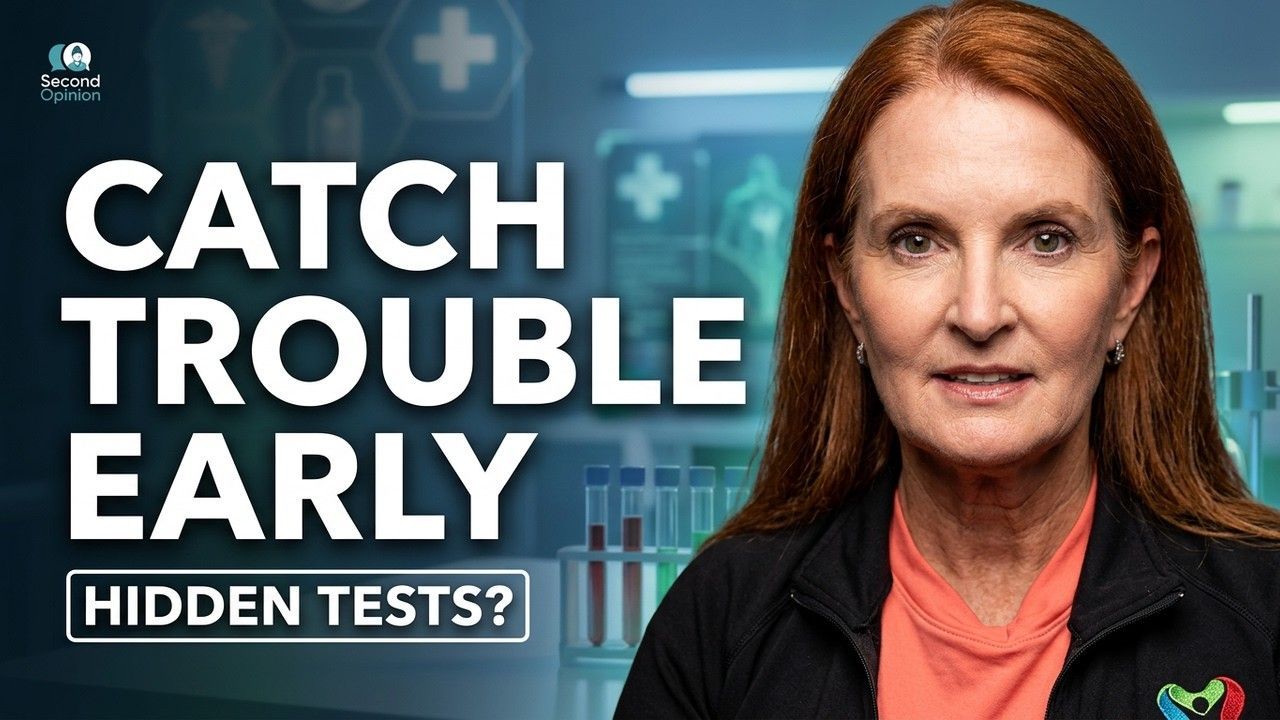
Rhonda Nerenberg, RN, BSN, MS, is the Founder and Chief Health Innovation Officer of Weltrio. She leads the clinical strategy behind the company's pre-claim approach to employer healthcare costs. She's a registered nurse with a master's in nutrition. She also co-hosts Second Opinion on the Behind the Premium podcast network.