
How HR Earns a Seat at the Table (Hint: It's the Benefits)
I went to Disrupt HR a few weeks ago, and half the speakers were circling the same question: how does HR earn a seat at the table? I have a lot of thoughts on that, but the short answer is that the seat is already sitting inside your benefits plan, and most HR teams walk right past it.
Here is what I see across the companies we work with. HR attracts people with high emotional intelligence, which is exactly what the job needs. The trouble is that executives run on numbers and they move fast, so genuinely good HR work stays invisible to the people who control the budget. I want to fix that, because the fix is simpler than it looks.
Let me walk through how I think about it: why the numbers gap exists, why your benefits plan is the lever, what we actually do at Weltrio to stop cost before it becomes a claim, and the questions I would carry into your next broker and CFO conversations.
HR people lead with empathy, while CFOs lead with the spreadsheet, and it is almost funny that HR so often reports straight up into finance, because one side is built to protect people and the other is built to protect margin, yet they are supposed to agree at renewal time.
The numbers gap that costs HR a seat at the table
That gap is where HR loses the room. It closes the moment you attach a defensible dollar figure to your work. At Disrupt HR, a presenter named Tuan Wynn laid out a formula for exactly that, using tenure, churn, and competency, so put a number on what you actually drive, and finance finally starts listening.
Benefits are the lever, not a cost to apologize for
People ask me whether HR can be a profit center, and I push back on that because HR is not out closing sales, but it still controls something almost as powerful. Benefits are often the second highest cost in the company, and HR owns the decision, so HR holds a lever that moves recruiting, retention, morale, and cost all at the same time.
Think about how a saved dollar compares to an earned one. When you win a dollar in a new contract, you keep maybe twenty or thirty cents after costs. When you save a dollar on benefits, you keep the entire thing. A dollar not spent is 100% of a dollar saved, and that math is what earns HR a real seat at the table.
How we stop cost before the claim
This is the part of Weltrio I am proudest of, so picture your employees at a healthcare grocery store every single month. They pick prescriptions, providers, and imaging, slap down the insurance card, pay a small copay, and never see the price on the back end, where a single prescription can quietly run into the tens of thousands.
Our pre-claim analytics and health advocacy change that, because we walk down the aisle with each employee and clip the coupons before checkout, steering toward the generic or solving a chronic issue early. The expensive claim never lands, because it never has to happen, and it never even reaches the third-party administrator. That is what I mean when I say we get in front of the claim instead of paying for it afterward.
Why a third party makes HR's job easier
I hear the pushback constantly: why add another voice to an already messy process? Look at the rest of your company, where you keep in-house counsel alongside outside attorneys, and a controller alongside outside accountants, and nobody calls that redundant, because each side brings a different expertise to the table.
Healthcare deserves that same respect, yet HR is usually deciding on the second largest expense in the business without any backup. Think of Weltrio as an extension of your team. We become the first call for the employee with the awkward question, the buffer that keeps you out of conversations you should not be in, and the advocate that helps you push back on the broker at renewal. If you have seen the episode of The Office where Dwight runs open enrollment, you know the exact moment we are built to prevent.
Video clip source : The Office Channel (Youtube) - Season 1, Episode 3 "Health Care" #NBC
The questions I would ask, starting tomorrow
Ask your broker one thing first: who is getting paid in my plan, and how much, and make sure you understand whether you are looking at flat fees, percentages, front-end fees, or back-end bonuses from the carrier. A good broker answers without flinching, and if the question offends them, that tells you something too.
Then change how you talk to your CFO, and do not bring them a question, bring them a solution instead. Find out the top financial goal this quarter, tie your benefits plan directly to it, and hook them in twenty to thirty seconds before you ever reach for a deck. They do not want an hour and forty slides; they want a fast, direct case, and then they want to poke holes in it.
Where to start
So where do you start? Honestly, the best first step is usually a short, direct conversation. We run a free assessment that reads your actual plan, not a hypothetical, and points out the gaps and waste driving your costs. Some companies use that assessment and never sign with us, and that is completely fine, because our mission is to make healthcare better.
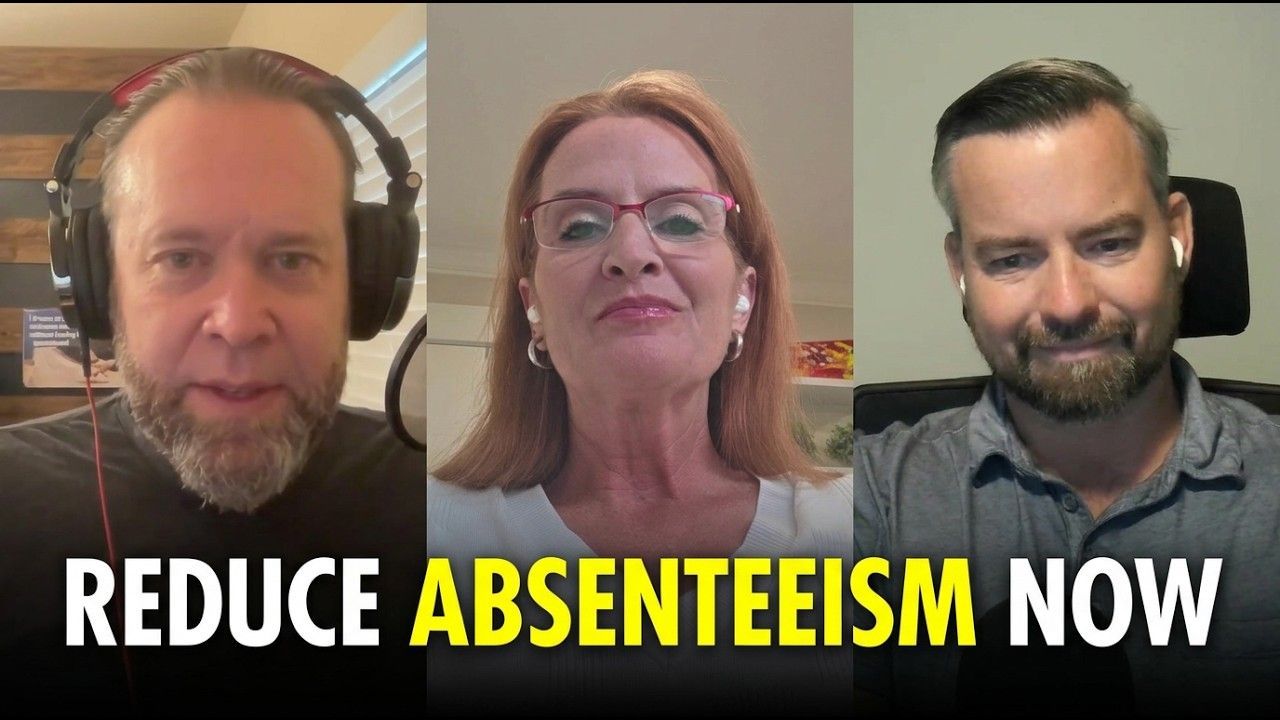
This conversation started on Benefits 3.0 with Kody King. You can watch the full episode , read the episode recap on Behind the Premium , or see my related take on why more data alone will not lower your costs. When you are ready, come to Weltrio and let's take fifteen minutes to look at your plan.
Disclosure
Partnership Disclosure: Benefits 3.0 is part of the Behind the Premium network, produced in partnership with Weltrio. This is a promotional collaboration, not a paid sponsorship. The author, Jacob Davis, is the CEO of Weltrio and co-hosts Benefits 3.0. Disclosed in accordance with FTC guidelines.
Disclaimer: This article is provided for general educational and informational purposes only. Discussions of employee benefits, health plans, insurance, coverage, claims, costs, and related topics are general in nature and are not financial, insurance, tax, legal, or benefits-planning advice, and should not be relied upon for any specific decision. Benefit plans, coverage options, pricing, and applicable regulations vary by individual, employer, and location, and change over time. Reading this content does not create a professional, advisory, broker-client, agent, or fiduciary relationship of any kind. Always consult a licensed insurance broker, benefits advisor, attorney, tax professional, or other qualified expert before making decisions about your benefits, coverage, or finances. You are solely responsible for any decisions or actions you take based on this content. To the fullest extent permitted by law, Weltrio disclaims any and all liability arising from your use of or reliance on this content.