




Lower Employee Healthcare Costs with Health Advocacy
The Missing Piece in Employee Benefits: Trusted Health Advocacy
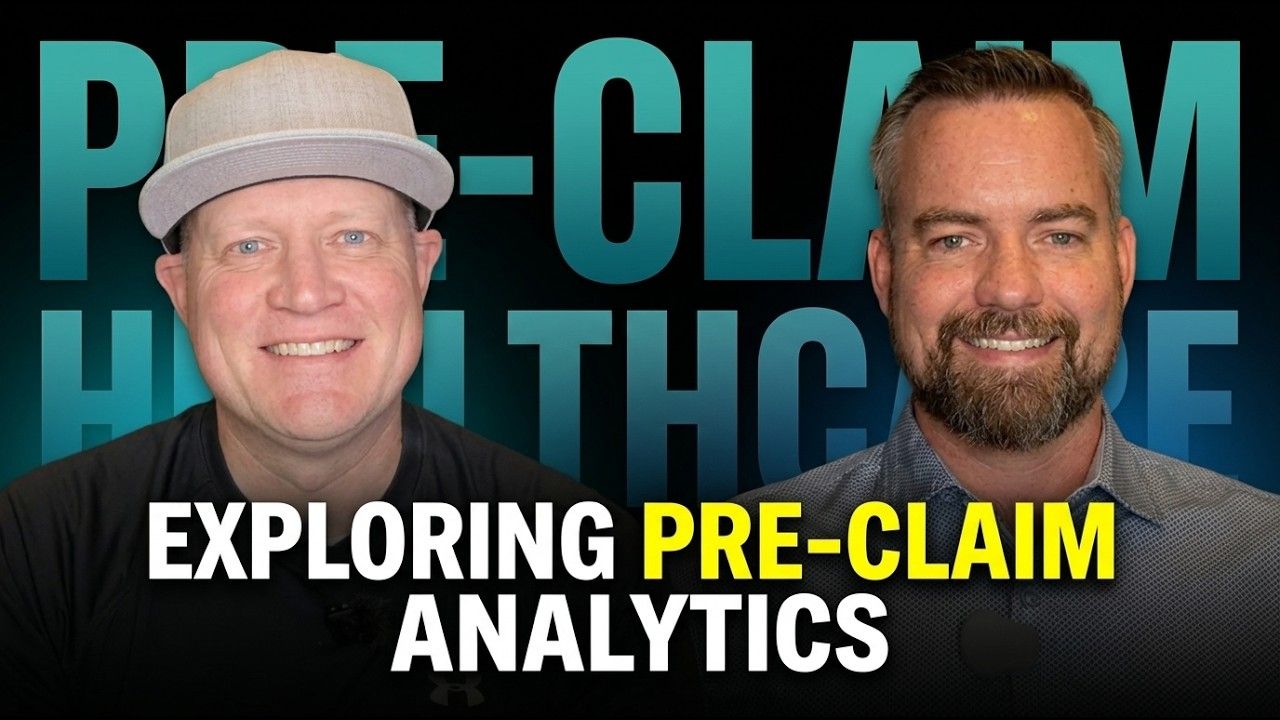
What if you could stop the waste before it becomes a claim? That's the shift most employers miss. Instead of chasing dollars after they're spent, Weltrio prevents them from leaving your pocket in the first place.
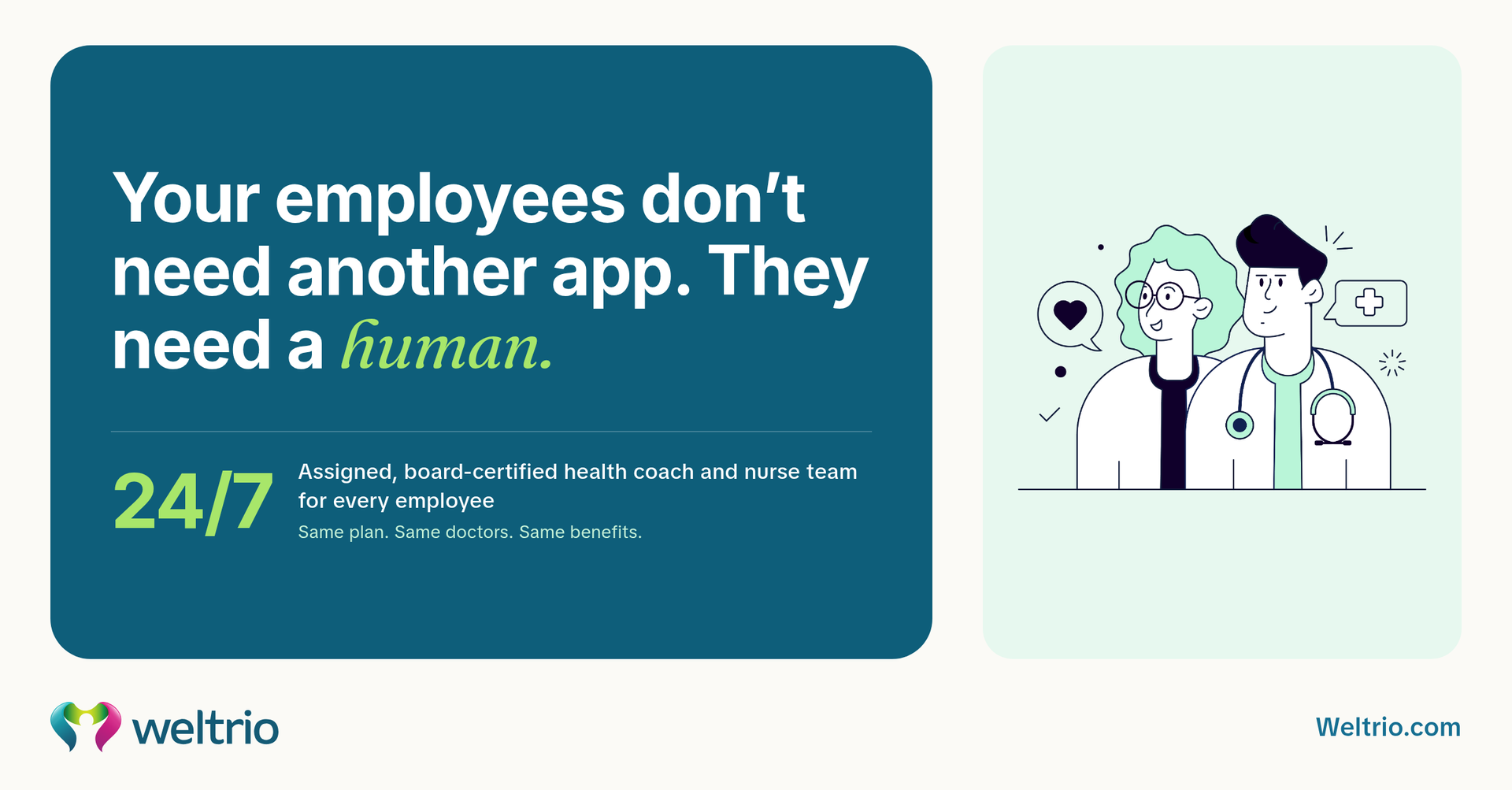
Weltrio assigns a dedicated clinical team, a coach, and a nurse to every employee in your organization. This team becomes a trusted advisor for all things medical and benefits-related. They're available 24/7 by phone, text, app, email, or video. For example, Maria texts her nurse at 10 p.m. when her son wakes up with a sudden fever, and gets calm, practical advice right away—no waiting, no guessing, just real help in the moment. And the support is proactive as well. The team doesn't wait for a crisis. They reach out on a set schedule, building the kind of trust that changes how people use their healthcare.
Getting Started Takes Less Than Two Weeks
Onboarding is simple. It starts with a brief call to understand your current plan and your team's needs. After signing a brief agreement, Weltrio hosts a kickoff meeting — usually within 1 week — where your employees meet their assigned clinical team.
From there, Weltrio handles setup, communications, and training. You don't need to lift much. Most clients are fully onboarded within two weeks, and employees start seeing results within the first month.
Why This Approach Works
Traditional nurse hotlines see utilization rates of just 3 to 8 percent. They're anonymous, reactive, and designed to end the call fast—there's no real relationship. By contrast, Weltrio drives 45 to 60 percent utilization. Here's how the two approaches stack up side by side:
| Feature | Traditional Nurse Hotline | Weltrio Health Advocacy |
|---|---|---|
| Utilization Rate | 3–8% (Low engagement) | 45–60% (High engagement) |
| Team Model | Anonymous, random staff | Dedicated nurse & coach |
| Access Points | Phone only | Phone, text, app, email, video |
| Care Philosophy | Reactive (Crisis only) | Proactive (Ongoing outreach) |
| Employee Experience | Transactional & Anonymous | Trust-based & Relationship-led |
Employees use Weltrio because they know who they're speaking to—and that person knows them. That trusted relationship changes everything.
Weltrio's model drives utilization of 45 to 60 percent. That isn't just a number—it directly impacts your bottom line. On average, every 1 percent increase in engagement leads to around $36 in annual savings per employee from avoided high-cost claims and better healthcare decisions. For a 100-person company, pushing utilization from the typical 8 percent up to 45 percent means keeping roughly $1,300 more per employee each year.
The difference? Dedicated people. When employees know their nurse by name, and that nurse knows their history, they actually pick up the phone. They share health details they'd never mention to HR. They ask for help before small problems become big claims.
Built to Scale With Your Business
This model works for companies as small as 10 employees and scales to several hundred. Weltrio adjusts team size, contact frequency, and communication channels based on your workforce. As you grow, the program grows with you — without losing the personal touch.
That said, achieving high engagement takes effort on your side as well. The businesses that see the best results do a few things well. They tell their teams why the service exists. They share early wins. And they work Weltrio intros into onboarding or staff meetings. Some offer a small incentive for the first interaction. Others schedule brief one-on-one intros between employees and their assigned advocate.
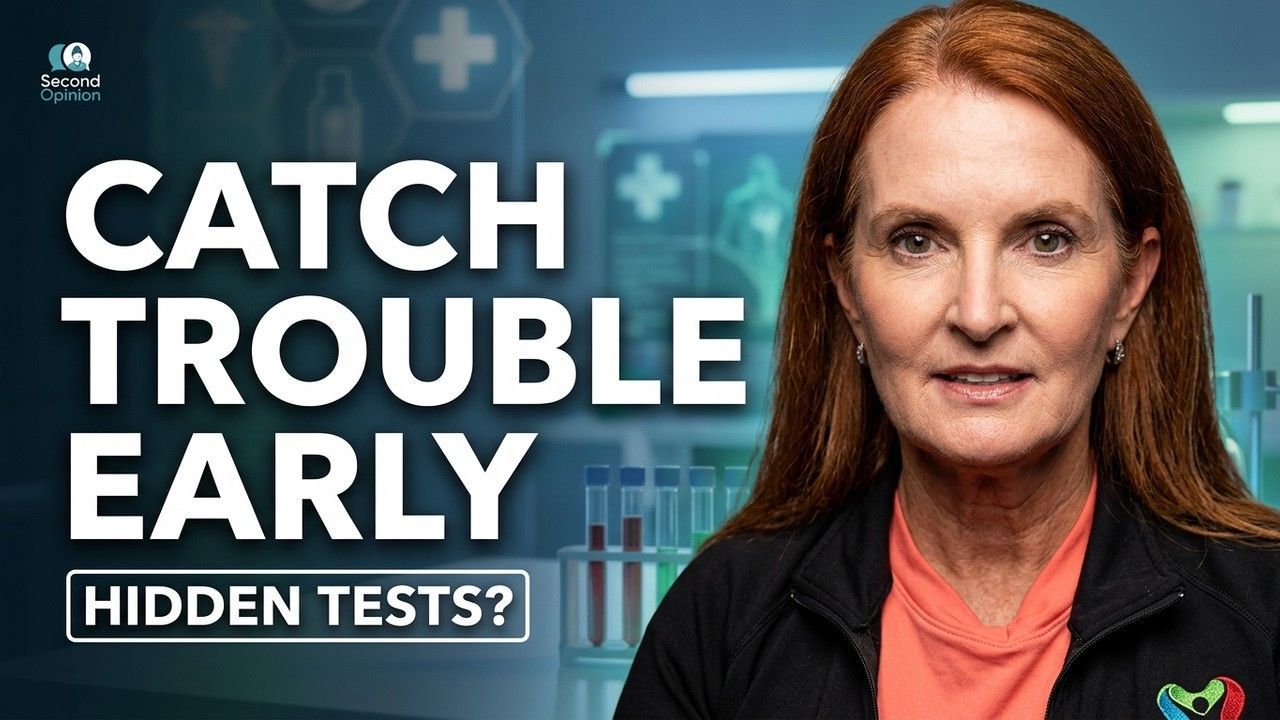
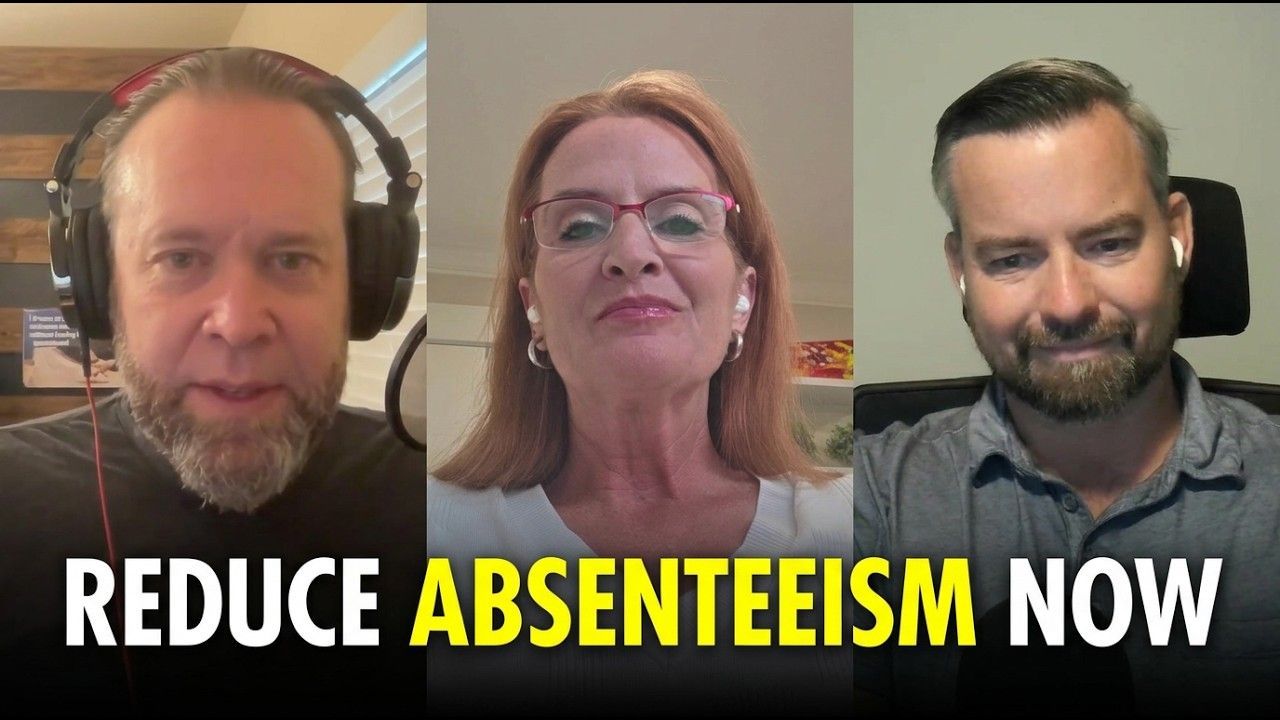
The payoff is real. Employees get scheduled for annual physicals. ER visits get redirected to the right care setting. Prescriptions get sourced at the best price—cash-pay options surface when they beat insurance. And early detection catches conditions at Stage I, not Stage IV, where the cost difference can top $200,000. The benefits go well beyond lowering expenses. When employees stay healthier and catch problems earlier, they miss fewer days of work and return to work faster when they do get sick. Companies often notice fewer call-offs, steadier productivity, and a stronger team—gains that directly support business growth, not just the bottom line.
These kinds of catches only happen when a real relationship exists. Too often, late detection and missed diagnoses happen because no one is paying attention.
A Dollar Not Spent Is 100% of a Dollar Saved.
Post-claim recovery gets you 15 cents on the dollar. A claims audit might catch overbilling after the check has cleared. But consider this: Sarah, one of your employees, twists her ankle on a Saturday. Without support, she heads to the ER and racks up a $1,200 bill—every cent leaving your plan. With a trusted nurse just a call away, Sarah is guided to an urgent care clinic instead. Her care costs $110. You keep $1,090 in your pocket. It is the kind of everyday savings that add up fast.
Preventing a needless ER visit, finding a generic alternative, or scheduling the screening that catches cancer early—these are real dollars that never leave your account. This approach builds on your current plan and broker relationship. You don't switch carriers. You don't change brokers. You don't cut a single benefit. You just change behavior, because that is where the waste lives.
We know many businesses are cautious after seeing wellness fads and temporary programs come and go. Change fatigue is real. That's why Weltrio is different: instead of asking employees to download another app or sign up for a one-off challenge, we focus on building a real relationship that fits into their daily routine. This model tackles the root cause—how people actually use their benefits—rather than layering on another short-lived initiative.
Brokers get pre-claim data that strengthens renewals and keeps clients. HR teams get fewer benefits questions, happier employees, and clear numbers to bring to leadership. And small business owners get control over a cost that's been running unchecked.
Real Results That Small Businesses Can Relate To
Talk is cheap. Results aren't. Here are two real examples of what happens when you close the behavioral gaps.
- A 118-employee manufacturing company got hit with a 40% premium increase — the kind that shuts businesses down. Instead of cutting benefits, they gave employees access to dedicated health advocates who helped them navigate and use their existing plan—year one: $20,000 saved. Several local competitors facing the same cost pressures didn't make it. This company survived, then went further — transitioning to a self-funded model for even greater control.
- A 750-employee organization started at 105% of the national average for healthcare costs and faced 25% annual increases. Over nine years, they achieved a 68% sustained drop in premiums and now sit at just 31–34% of the national average. Revenue grew from $10 million to $120 million during that stretch. The CEO called the health advocate program his single most profitable cost center.
Both stories point to the same thing: proactive engagement, built on trust, beats reactive plan changes every time. And the gains go beyond cost. Businesses that invest in this approach also see stronger retention and a real edge in hiring.
What Small Business Owners Can Do Right Now
The healthcare cost crisis isn't waiting for Congress. ACA subsidy talks may drag on for months. Premium increases are already locked in for 2026. And the forces pushing costs higher — GLP-1 medications, rising cancer rates, provider consolidation — aren't going away.
But you're not powerless. Most healthcare waste comes from behavioral gaps that no plan swap or broker change will fix. With 11 percent annual increases and a shrinking safety net, consider what just one more 11 percent rate hike means for your payroll, bonuses, or staffing. How many positions would you need to cut next year if nothing changes?
Take a moment to run the numbers for your team—the answer puts the stakes in focus. The question isn't whether you can afford to act. It's whether you can afford to wait.
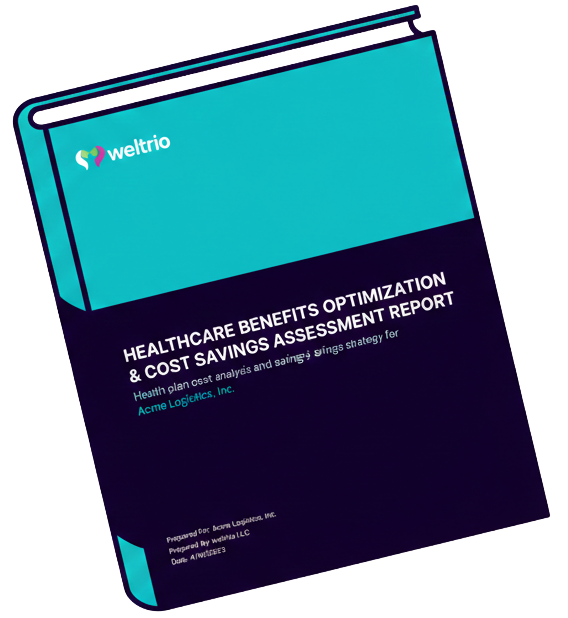
Start With a Free Assessment Report
A quick assessment can pinpoint the gaps hiding in your current plan. You'll see where the waste is, what it's costing you, and what you can reclaim. You'll walk through your plan documents, recent claims patterns, and your biggest concerns with a benefits specialist. Schedule your free call and pick a slot in under 20 seconds—no back-and-forth or waiting.
After the call, you'll get a summary report with the key savings opportunities and clear next steps. No commitment. No plan changes required.
One note: this review is only as good as the information you share, so think of it as a strong starting point — not a full audit. But for most small businesses, it's enough to show where the biggest dollars are leaking.
Schedule your free assessment:
How does a health advocate reduce employer costs?
Post-claim recovery gets you 15 cents on the dollar. A claims audit might catch overbilling after the check has cleared. But consider this: Sarah, one of your employees, twists her ankle on a Saturday. Without support, she heads to the ER and racks up a $1,200 bill—every cent leaving your plan. With a trusted nurse just a call away, Sarah is guided to an urgent care clinic instead. Her care costs $110. You keep $1,090 in your pocket. It is the kind of everyday savings that add up fast.
What is the difference between a nurse hotline and a health advocate?
The difference? Dedicated people. When employees know their nurse by name, and that nurse knows their history, they actually pick up the phone. They share health details they'd never mention to HR. They ask for help before small problems become big claims.
Weltrio's model drives utilization of 45 to 60 percent. That isn't just a number—it directly impacts your bottom line.
How long does it take to onboard a health advocacy program?
Onboarding Weltrio is simple. It starts with a brief call to understand your current plan and your team's needs. After signing a brief agreement, Weltrio hosts a kickoff meeting — usually within 1 week — where your employees meet their assigned clinical team.
From there, Weltrio handles setup, communications, and training. You don't need to lift much. Most clients are fully onboarded within two weeks, and employees start seeing results within the first month.
Sources:
Experian Commercial Pulse Report (December 2025) — https://www.experian.com/blogs/business-information/2025/12/08/rising-healthcare-premiums-and-the-fate-of-small-businesses/
Kaiser Family Foundation — https://www.kff.org/health-costs/how-much-and-why-premiums-are-going-up-for-small-businesses-in-2026/
KFF Peterson Health System Tracker — referenced within KFF premium analysis above
Mercer National Survey of Employer-Sponsored Health Plans (2025) — referenced within OneDigital analysis: https://www.onedigital.com/en-US/articles/small-business-health-insurance-premiums-could-rise-11-percent-in-2026-heres-what-you-should-know/
Business Group on Health 2026 Employer Health Care Strategy Survey — https://www.businessgrouphealth.org/newsroom/news-and-press-releases/press-releases/2026-employer-health-care-strategy-survey
Congressional Budget Office — referenced within CBPP analysis: https://www.cbpp.org/research/health/health-insurance-premium-spikes-imminent-as-tax-credit-enhancements-set-to-expire
Urban Institute — referenced within CBPP and KFF sources above (4.8M uninsured projection)
Automatic Data Processing Inc. — employment data provided directly by you (ADP National Employment Report, January 2026)