Urgent Care Routing
Directing employees to the right urgent care option
Fast, affordable care for situations that can't wait but don't need the ER

Why does urgent care routing matter?
5.0 Google Reviews
Not all urgent care facilities are equal. Some have two-hour waits; others see patients immediately. Some accept your insurance; others don't. Some have on-site X-rays and labs; others send you elsewhere for basic tests. Weltrio helps employees find the right urgent care facility for their specific situation.
We got it.

Thank you for contacting us.
We’ll get back to you as soon as possible.
See where your benefit plan is leaking
Find out what gaps exist — and what you can do without changing your plan.
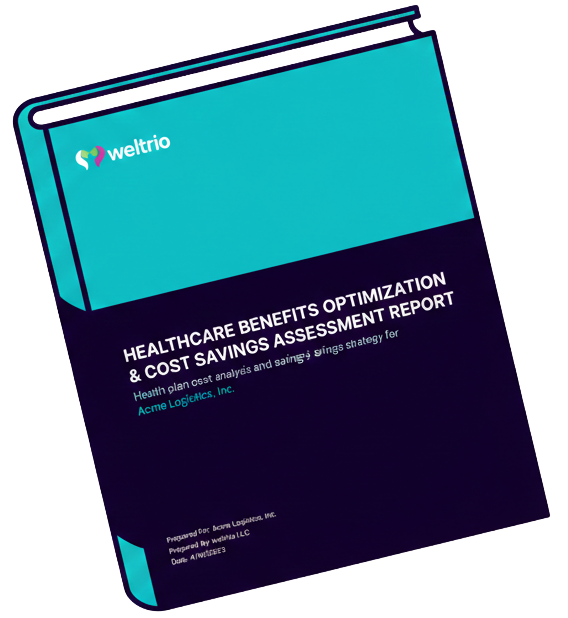
We'll show you where money is leaking, risks are growing, and what you can fix within your current structure. No pressure to change brokers, carriers, or benefit design. Just clarity.
- Gap analysis based on your actual plan structure
- Clear findings you can share with your broker
- Recommendations that layer on — no disruption required



Facility Selection
We help employees choose the best urgent care facility for their situation. This includes factors like wait times, capabilities (X-ray, lab work, suturing), accepted insurance, and distance from their current location.
Wait Time Intelligence
Where available, we provide current wait time information for nearby facilities. This helps employees avoid long waits and get seen quickly when time matters.
Insurance Verification
We confirm that recommended facilities accept your company's insurance, preventing surprise out-of-network bills that can turn a $150 visit into a $500+ expense.
Capability Matching
Different conditions require different urgent care capabilities. A possible broken bone needs X-ray capability. A laceration needs suturing equipment. We match employee needs to facility capabilities.
What is Urgent Care Routing?
Urgent Care Routing is the process of directing employees to the most appropriate urgent care facility for their specific situation.
Urgent care has grown rapidly, but quality and capabilities vary widely. Some facilities are essentially walk-in clinics for minor issues. Others have emergency-level equipment and can handle complex situations. Without guidance, employees often choose based on convenience rather than appropriateness.
Weltrio's routing service considers symptoms, capabilities, wait times, insurance, and location to find the right facility for each situation.
Why Does Facility Selection Matter?
Most employers renew their health plans year after year without questioning the underlying assumptions. Brokers present options, carriers set rates, and leadership approves budgets based on incomplete information.
The result? Companies overpay for benefits employees don't use while missing coverage gaps that create real risk. They accept premium increases as inevitable rather than addressable. They lack visibility into where their money actually goes.
A Healthcare Risk Assessment changes that. It gives you the data and insight to make informed decisions, negotiate from a position of strength, and take control of one of your largest operating expenses.
How It Works
When employees need urgent care, we help them find the best option quickly.
Symptom Assessment
First, we assess the situation to confirm urgent care is appropriate and understand what capabilities may be needed (imaging, lab work, suturing, etc.).
Facility Identification
We identify urgent care options near the employee's location that have required capabilities and accept your insurance.
Selection Optimization
Among qualified facilities, we recommend based on current wait times, distance, and any other relevant factors for the employee's situation.
Visit Preparation
We can call ahead to facilities, provide employees with information to speed check-in, and ensure they know what to expect upon arrival.
When is Urgent Care the Right Choice?
Urgent care is appropriate for conditions that need same-day attention but aren't emergencies:
• Minor injuries: sprains, strains, minor cuts, possible fractures
• Acute illness: flu, strep throat, ear infections, UTIs
• Minor infections: pink eye, skin infections, minor wounds
• Common conditions: allergic reactions (non-severe), back pain, minor burns
Not appropriate for urgent care: chest pain, difficulty breathing, stroke symptoms, severe injuries, major allergic reactions, or any potentially life-threatening condition.
Where Can Employees Access Urgent Care Routing?
Urgent care routing is available by phone, text, or app whenever employees need it:
• From home when deciding where to go
• From work when an employee is injured or becomes ill
• While traveling when unfamiliar with local facilities
• After hours when regular doctors aren't available
We can recommend facilities near any location in the United States, making this especially valuable for employees who travel or work remotely.
Who Benefits from Urgent Care Routing?
All employees benefit from guidance on urgent care selection:
• Parents needing quick care for childhood illnesses and injuries
• Employees with conditions that can't wait for a regular appointment
• Workers who travel and need care in unfamiliar cities
• Anyone who wants to avoid ER costs for non-emergency situations
• Employees unsure whether urgent care can handle their specific need
See What Our Customers Are Saying

"What could have been data driven, was soon a conversation. Over 3 years with the best coaches, listeners, advisors you could ask for. If Monique didn't have an answer readily, she would note it, research it, and then update you on the answer. Always a positive meeting. Highly recommend!"
— Sue D.
“Our Medical Insurance Premiums were Out of Control! Thanks to Weltrio and their amazing team of healthcare experts, Weltrio is my single most-profitable cost center!”
— Cayuse CEO
Everything You Need to Know
At Weltrio, we are a medically trained team that works with HR and benefits partners at companies of all sizes to improve healthcare quality, reduce risk exposure, and optimize costs. We work within your existing plan structure—providing employers with clarity, trust, and transparency at every step. Whether you're upgrading your benefits plan or building from scratch, we've got you covered.
Is this the same as telemedicine?
No. Clinical support provides guidance and triage, not diagnosis or treatment. We help employees decide when and where to seek care.How many nurses will be assigned to our company?
Assignment depends on your company size and typical utilization. Smaller companies may share a primary nurse with backup coverage. Larger organizations get dedicated teams. Either way, employees experience consistent relationships with clinical professionals who know them.Who answers calls in the middle of the night?
Board-certified nurses from your Weltrio clinical team. We staff night shifts with experienced nurses who have full access to your company's benefits information and employee interaction history. It's not an outsourced answering service.What protocols do nurses use for triage?
Our nurses use evidence-based clinical decision support protocols developed from emergency medicine and primary care best practices. These protocols are regularly updated based on current medical guidelines and are customized for telephone/virtual assessment settings.How much does an unnecessary ER visit actually cost?
Average ER visits cost $2,200 or more—even for minor issues. Add lab work, imaging, or specialist consultation and costs climb quickly. The same conditions treated at urgent care typically cost $150-300, and telehealth visits run $50-75.