Triage & Escalation Support
Clinical assessment to guide care decisions
Professional evaluation to determine the right level of care for every situation
Why does clinical triage matter?
5.0 Google Reviews
When health symptoms appear, most people don't know how serious they are. Is this headache normal stress or something dangerous? Is this chest tightness anxiety or cardiac? Without clinical guidance, employees either under-react (ignoring serious symptoms) or over-react (rushing to the ER for minor issues). Professional triage ensures the right response every time.
We got it.

Thank you for contacting us.
We’ll get back to you as soon as possible.
See where your benefit plan is leaking
Find out what gaps exist — and what you can do without changing your plan.
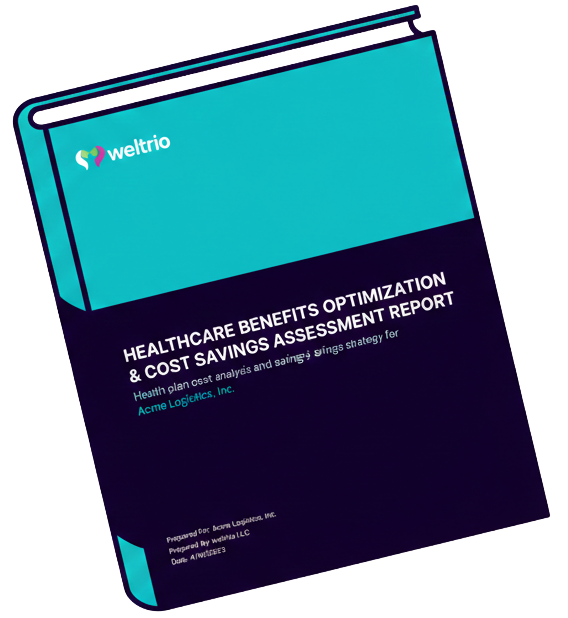
We'll show you where money is leaking, risks are growing, and what you can fix within your current structure. No pressure to change brokers, carriers, or benefit design. Just clarity.
- Gap analysis based on your actual plan structure
- Clear findings you can share with your broker
- Recommendations that layer on — no disruption required



Symptom Assessment
Our nurses use evidence-based clinical protocols to assess symptoms accurately. They ask the right questions, identify red flags, and distinguish between situations that require immediate attention and those that can wait for routine care.
Care Level Determination
Based on assessment, we determine the appropriate level of care: self-care at home, telehealth visit, urgent care, primary care appointment, specialist referral, or emergency services. No guessing—just informed clinical guidance.
Escalation Protocols
When situations require immediate escalation, we act fast. This includes directing to emergency services, facilitating hospital admission coordination, and ensuring critical information reaches the right providers.
Documentation & Handoff
Every triage interaction is documented thoroughly. When we escalate care, receiving providers get complete information about our assessment, ensuring continuity and preventing employees from re-explaining their situation.
What is Triage & Escalation Support?
Triage & Escalation Support is the clinical assessment process our nurses use to evaluate symptoms and determine the appropriate level of care for each situation.
Triage means sorting and prioritizing—distinguishing between emergencies, urgent situations, and routine concerns. Our nurses use evidence-based protocols combined with clinical judgment to make these determinations accurately.
Escalation means activating the right resources when serious situations require immediate attention—from emergency services to specialist consultations to hospital coordination.
Why Does Professional Triage Reduce Costs?
Most employers renew their health plans year after year without questioning the underlying assumptions. Brokers present options, carriers set rates, and leadership approves budgets based on incomplete information.
The result? Companies overpay for benefits employees don't use while missing coverage gaps that create real risk. They accept premium increases as inevitable rather than addressable. They lack visibility into where their money actually goes.
A Healthcare Risk Assessment changes that. It gives you the data and insight to make informed decisions, negotiate from a position of strength, and take control of one of your largest operating expenses.
How It Works
Clinical triage follows a structured process to ensure accurate assessment and appropriate care routing.
Initial Contact
Employee contacts Weltrio with a health concern. Our system captures basic information and routes to an available nurse for immediate assessment.
Structured Assessment
The nurse conducts a thorough symptom evaluation using evidence-based protocols. This includes symptom characteristics, timeline, severity indicators, relevant history, and red flag screening.
Clinical Determination
Based on assessment findings, the nurse determines the appropriate care level and makes a clear recommendation. This is communicated to the employee with rationale.
Escalation or Coordination
For routine matters, we provide guidance and follow up as needed. For urgent situations, we immediately escalate—coordinating with emergency services, alerting facilities, or facilitating rapid specialist access.
When Should Employees Request Triage?
Employees should request triage whenever they're unsure about the severity of symptoms:
• New symptoms they haven't experienced before
• Symptoms that feel different from their usual health issues
• Situations where they're debating between ER, urgent care, or waiting
• After-hours concerns when their doctor isn't available
• Symptoms in family members, especially children
• Any situation where they want clinical input before deciding on next steps
Triage is most valuable when used early—before employees make uninformed care decisions.
Where is Triage Support Available?
Triage support is available by phone, text, or app from anywhere:
• At home when symptoms appear
• At work when employees feel unwell
• While traveling when healthcare decisions are complicated by unfamiliar surroundings
• At any location with phone or internet access
Our nurses are licensed across all 50 states and can provide triage guidance regardless of where employees are located.
Who Benefits from Triage Services?
Everyone benefits, but certain groups see particular value:
• Parents making care decisions for children (pediatric symptoms are notoriously hard to interpret)
• Employees with chronic conditions who need to distinguish new symptoms from baseline issues
• People with health anxiety who benefit from professional reassurance
• Workers with limited healthcare experience who aren't sure how to navigate the system
• Anyone facing an unfamiliar symptom or health situation
See What Our Customers Are Saying

"What could have been data driven, was soon a conversation. Over 3 years with the best coaches, listeners, advisors you could ask for. If Monique didn't have an answer readily, she would note it, research it, and then update you on the answer. Always a positive meeting. Highly recommend!"
— Sue D.
“Our Medical Insurance Premiums were Out of Control! Thanks to Weltrio and their amazing team of healthcare experts, Weltrio is my single most-profitable cost center!”
— Cayuse CEO
Everything You Need to Know
At Weltrio, we are a medically trained team that works with HR and benefits partners at companies of all sizes to improve healthcare quality, reduce risk exposure, and optimize costs. We work within your existing plan structure—providing employers with clarity, trust, and transparency at every step. Whether you're upgrading your benefits plan or building from scratch, we've got you covered.
Is this the same as telemedicine?
No. Clinical support provides guidance and triage, not diagnosis or treatment. We help employees decide when and where to seek care.How many nurses will be assigned to our company?
Assignment depends on your company size and typical utilization. Smaller companies may share a primary nurse with backup coverage. Larger organizations get dedicated teams. Either way, employees experience consistent relationships with clinical professionals who know them.Who answers calls in the middle of the night?
Board-certified nurses from your Weltrio clinical team. We staff night shifts with experienced nurses who have full access to your company's benefits information and employee interaction history. It's not an outsourced answering service.What protocols do nurses use for triage?
Our nurses use evidence-based clinical decision support protocols developed from emergency medicine and primary care best practices. These protocols are regularly updated based on current medical guidelines and are customized for telephone/virtual assessment settings.How much does an unnecessary ER visit actually cost?
Average ER visits cost $2,200 or more—even for minor issues. Add lab work, imaging, or specialist consultation and costs climb quickly. The same conditions treated at urgent care typically cost $150-300, and telehealth visits run $50-75.