Benefits Education
Understanding your healthcare coverage
Plain-language explanation of benefits so employees can use them effectively
Why does benefits education matter?
5.0 Google Reviews
Health benefits are valuable but confusing. Deductibles, coinsurance, out-of-pocket maximums, networks, formularies—the terminology alone is overwhelming. Employees who don't understand their benefits can't use them effectively. Weltrio provides education that makes benefits accessible.
We got it.

Thank you for contacting us.
We’ll get back to you as soon as possible.
See where your benefit plan is leaking
Find out what gaps exist — and what you can do without changing your plan.
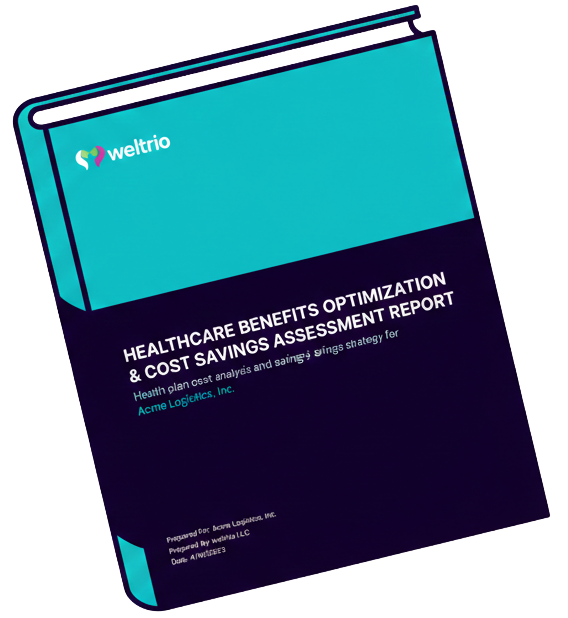
We'll show you where money is leaking, risks are growing, and what you can fix within your current structure. No pressure to change brokers, carriers, or benefit design. Just clarity.
- Gap analysis based on your actual plan structure
- Clear findings you can share with your broker
- Recommendations that layer on — no disruption required


Coverage Explanation
We explain what your benefits cover in plain language—what's included, what's excluded, and how to get the most value from your coverage.
Cost Structure Clarification
Deductibles, copays, coinsurance, out-of-pocket maximums—we explain how your cost structure works and what you'll pay in different scenarios.
Network Guidance
Understanding in-network vs. out-of-network matters for your wallet. We explain your network options and help you stay in-network.
Feature Awareness
Many employees don't know about valuable benefit features—HSAs, FSAs, wellness programs, telehealth. We ensure employees know what's available.
What is Benefits Education?
Benefits Education translates complex health insurance terminology and structures into plain language that employees can understand and act on.
Most employees receive benefits summaries during open enrollment, skim them, and hope for the best. When healthcare needs arise, they discover they don't really understand their coverage. This leads to suboptimal decisions and unexpected costs.
Our education approach ensures employees actually understand their benefits—not just during enrollment, but whenever they need to use coverage.
Why Don't Employees Understand Their Benefits?
Most employers renew their health plans year after year without questioning the underlying assumptions. Brokers present options, carriers set rates, and leadership approves budgets based on incomplete information.
The result? Companies overpay for benefits employees don't use while missing coverage gaps that create real risk. They accept premium increases as inevitable rather than addressable. They lack visibility into where their money actually goes.
A Healthcare Risk Assessment changes that. It gives you the data and insight to make informed decisions, negotiate from a position of strength, and take control of one of your largest operating expenses.
How It Works
Benefits education provides personalized explanation of employee coverage.
Needs Assessment
When employees request education, we identify what they need to understand—general overview, specific coverage questions, cost structure clarification.
Personalized Explanation
We explain their specific benefits in plain language, relating coverage to their actual situation and likely healthcare needs.
Scenario Walkthrough
For complex benefits, we walk through scenarios: 'If you need surgery, here's how costs would work.' Concrete examples make abstract coverage real.
Ongoing Reference
We're available whenever benefit questions arise—not just during enrollment. As situations come up, employees can get quick answers about coverage.
When Should Employees Request Benefits Education?
Employees should request education when:
• Starting a new job with new benefits
• During or after open enrollment
• Facing a healthcare situation and unsure about coverage
• Confused about a bill or EOB
• Wanting to maximize value from benefits
• Any time benefits questions arise
Where Does Benefits Education Apply?
Benefits education covers all aspects of health coverage:
• Medical insurance plans
• Pharmacy benefits
• Dental and vision coverage (if applicable)
• Tax-advantaged accounts (HSA, FSA)
• Supplemental benefits
• Wellness programs and incentives
Who Benefits from Benefits Education?
All employees benefit from better benefits understanding:
• New employees joining the company
• Those confused about their current coverage
• Employees during open enrollment
• Anyone facing a healthcare decision
• People who feel they're not getting value from benefits
See What Our Customers Are Saying

"What could have been data driven, was soon a conversation. Over 3 years with the best coaches, listeners, advisors you could ask for. If Monique didn't have an answer readily, she would note it, research it, and then update you on the answer. Always a positive meeting. Highly recommend!"
— Sue D.
“Our Medical Insurance Premiums were Out of Control! Thanks to Weltrio and their amazing team of healthcare experts, Weltrio is my single most-profitable cost center!”
— Cayuse CEO
Everything You Need to Know
At Weltrio, we are a medically trained team that works with HR and benefits partners at companies of all sizes to improve healthcare quality, reduce risk exposure, and optimize costs. We work within your existing plan structure—providing employers with clarity, trust, and transparency at every step. Whether you're upgrading your benefits plan or building from scratch, we've got you covered.
Is this the same as telemedicine?
No. Clinical support provides guidance and triage, not diagnosis or treatment. We help employees decide when and where to seek care.How many nurses will be assigned to our company?
Assignment depends on your company size and typical utilization. Smaller companies may share a primary nurse with backup coverage. Larger organizations get dedicated teams. Either way, employees experience consistent relationships with clinical professionals who know them.Who answers calls in the middle of the night?
Board-certified nurses from your Weltrio clinical team. We staff night shifts with experienced nurses who have full access to your company's benefits information and employee interaction history. It's not an outsourced answering service.What protocols do nurses use for triage?
Our nurses use evidence-based clinical decision support protocols developed from emergency medicine and primary care best practices. These protocols are regularly updated based on current medical guidelines and are customized for telephone/virtual assessment settings.How much does an unnecessary ER visit actually cost?
Average ER visits cost $2,200 or more—even for minor issues. Add lab work, imaging, or specialist consultation and costs climb quickly. The same conditions treated at urgent care typically cost $150-300, and telehealth visits run $50-75.